In the contemporary global commerce ecosystem, logistics accessibility is no longer merely a metric of transactional freight movement. It represents the structural spine of international trade corridors. The integration of CE certified freight systems and cross-border accessibility interfaces has revolutionized how heavy machinery, consumer electronics, and high-frequency parcel flows transit through global customs zones.
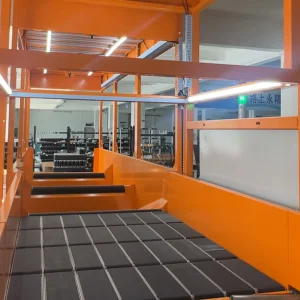
As manufacturing paradigms transition toward customized, high-precision demand models, shippers require absolute regulatory certainty. Industrial operations in North America, Europe, and Asia demand compliant equipment configurations—including robotic pallet separation machines, high-speed sorting nodes, and custom clearances—to maintain dynamic, zero-inventory warehouse states. Consequently, standard freight forwarding has merged with custom technical engineering, giving rise to "Freight Accessibility Solutions." These solutions encompass structural transport accessibility, technical certification compatibility, and end-to-end digital tracking to ensure that cargo is not merely moved, but completely integrated into local distribution infrastructures without mechanical or bureaucratic delays.
The concentration of raw material sourcing, precision manufacturing, and downstream logistics cluster networks in China provides global buyers with an unparalleled cost-to-performance ratio. Southern China, specifically the Pearl River Delta (headquartered around the Shenzhen-Guangzhou megacity cluster), acts as a primary hub for global freight routing.
This localized concentration yields significant industrial efficiencies:
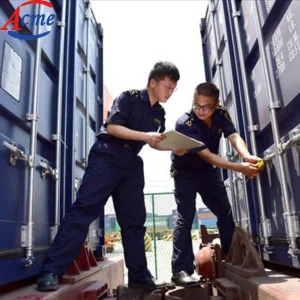
Navigating different jurisdictions requires an in-depth understanding of international regulations. Compliance is the foundation of reliable shipping. Without the correct certifications (such as the CE marking for automated sortation equipment) and accurate customs declarations (complying with EU Customs Union rules, Saudi SASO requirements, and US Customs and Border Protection directives), cargo runs the risk of seizure, delays, and significant fines.
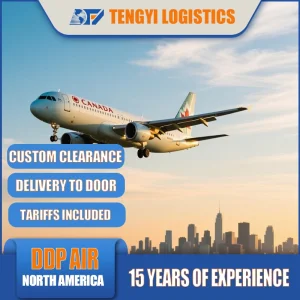
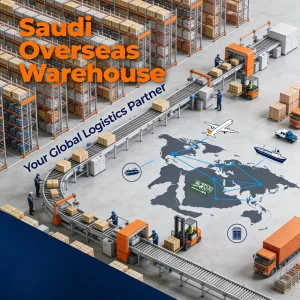
Through robust local support programs, international logistics partners manage these risks. Having dedicated agents in destinational ports ensures that DDP and DDU consignments clear customs smoothly. Last-mile distribution networks handle localized trucking, sorting, and final residential or commercial deliveries, providing end-to-end supply chain transparency and reliability.
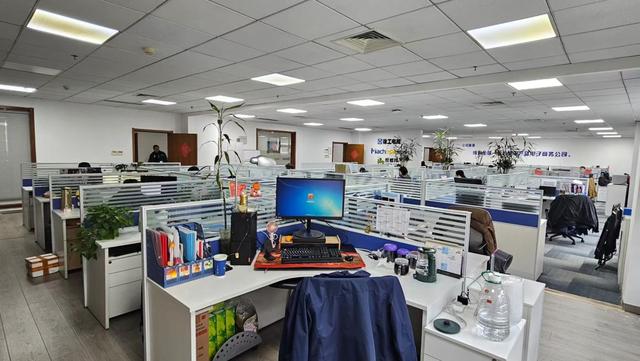
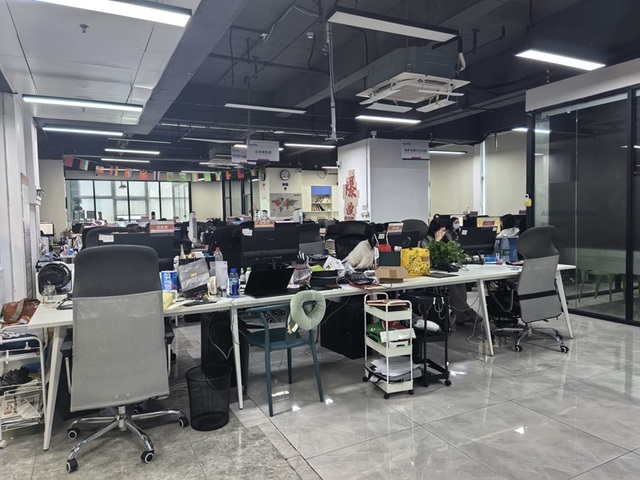
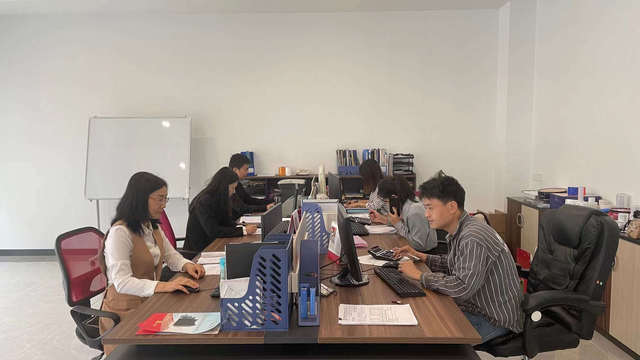
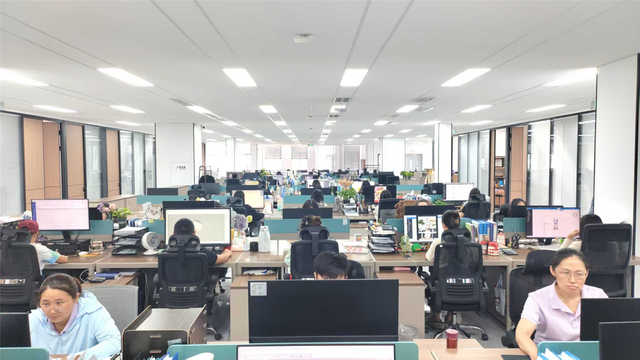
Shenzhen AeroLoad Logistics Co., Ltd. is a professional international logistics service provider specializing in efficient shipping solutions from China to Europe, the UK, Canada, and Mexico. Headquartered in Shenzhen, the company delivers reliable, end-to-end logistics services designed to support global trade and cross-border e-commerce businesses.
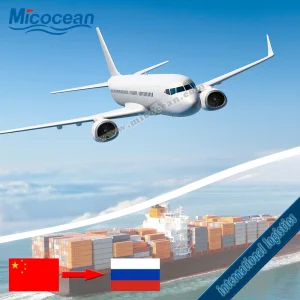
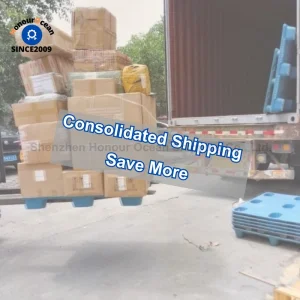
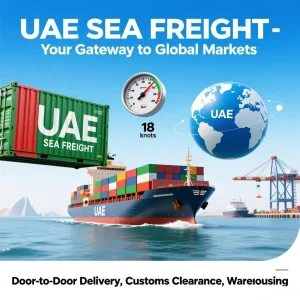
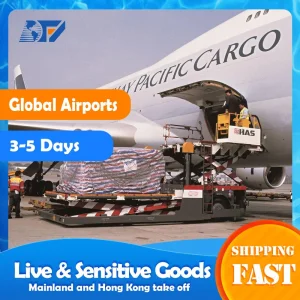
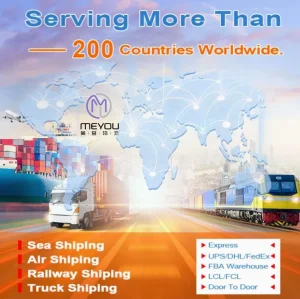
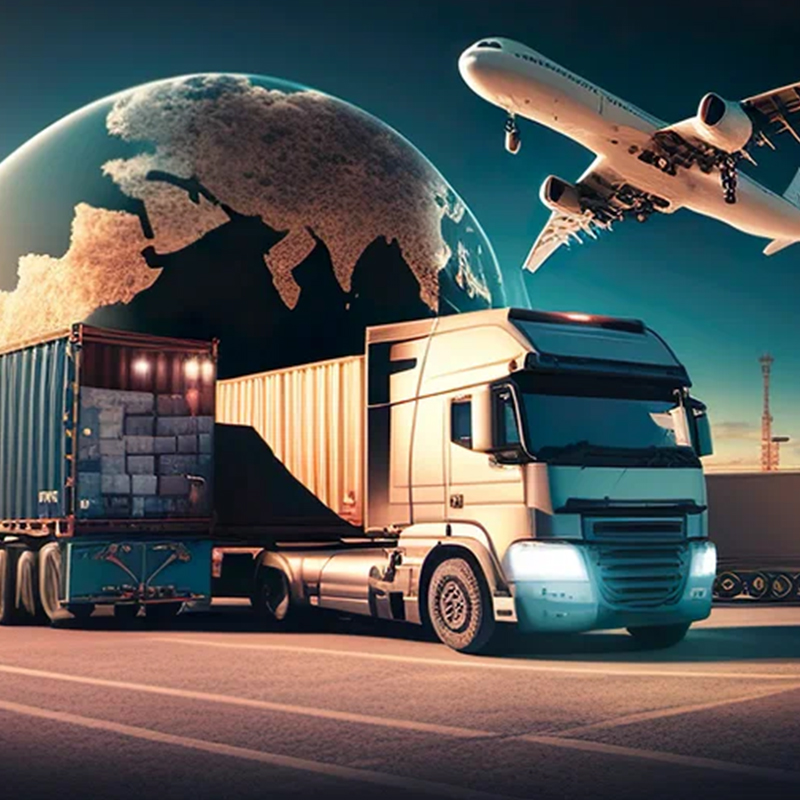
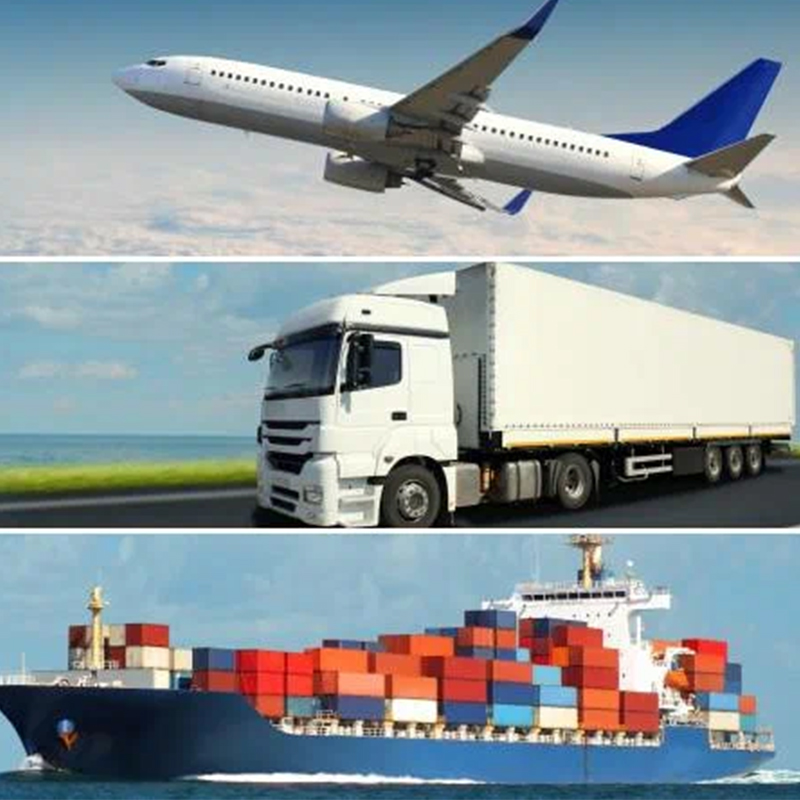
AeroLoad offers a full range of transportation options, including air freight, sea freight, and railway freight, enabling clients to choose the most cost-effective and time-efficient shipping methods. Its core services cover door-to-door delivery, DDP/DDU shipping, customs clearance, cargo consolidation, and last-mile distribution, ensuring smooth and hassle-free international logistics operations.
With extensive experience in handling diverse cargo types, the company supports industries such as electronics, consumer goods, machinery, and e-commerce. AeroLoad also provides specialized solutions for Amazon FBA shipments, helping sellers streamline their supply chain and improve delivery performance in overseas markets.
Driven by a commitment to efficiency and transparency, AeroLoad integrates advanced logistics tracking systems and digital management tools, allowing clients to monitor shipments in real time. The company maintains strong partnerships with global carriers and overseas agents, ensuring stable capacity and consistent service quality.
Shenzhen AeroLoad Logistics Co., Ltd. is dedicated to delivering flexible, reliable, and scalable logistics solutions, empowering businesses to expand internationally with confidence and optimize their global supply chain operations.


 AeroLoad Logistics