Designed for corporate importers, EPCs, and cross-border businesses operating in Calgary, Rocky View County, and Foothills Industrial parks.
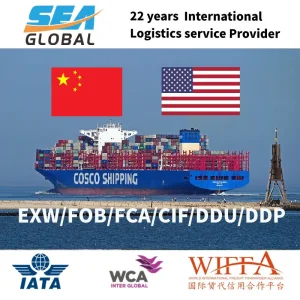
In the contemporary global trade paradigm, Calgary operates as the primary inland logistical inland-port for Western Canada. For multinational corporations, EPC (Engineering, Procurement, and Construction) companies, and high-volume importers, utilizing a specialized DDU (Delivered Duty Unpaid) shipping service allows for unmatched fiscal control and process transparency. Unlike DDP (Delivered Duty Paid), which shifts all customs administrative duties to the exporter, DDU requires the importer to handle Canadian customs clearance, taxes (GST), and duties locally. This partition of logistics liabilities prevents double-taxation on entry, streamlines corporate tax auditing, and ensures compliance with the Canada Border Services Agency (CBSA) rules.
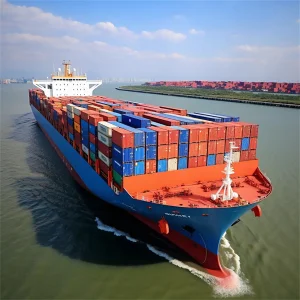
Calgary's geography positions it as a hub for both CP (Canadian Pacific Kansas City) and CN (Canadian National) transcontinental railways. Because Calgary lacks direct maritime access, cargo originating from overseas manufacturing centers (such as Shenzhen, Ningbo, or Shanghai) must utilize intermodal routes. Ocean carriers drop off containers at the Port of Vancouver or the Port of Prince Rupert, where they are transferred to rail lines heading through the Rocky Mountain corridor to Calgary’s major intermodal yards (Alyth, Shepard, and Conrich).
Through DDU shipping, global companies leverage Calgary’s advanced warehousing infrastructures in Rocky View County and the Southeast Industrial District. By structuring freight agreements under DDU / DAP (Incoterms 2020), buyers maintain absolute authority over the CBSA cargo release, using their designated local Canadian customs brokers. This strategy helps avoid demurrage fees at West Coast ports, coordinates inland delivery schedules, and simplifies managing imports into localized customs-bonded warehouses.
Origin export clearances, booking, packing, and loading on trans-pacific vessels.
Transfer at Port of Vancouver to CP/CN rail networks bound for Calgary yards.
Customs clearance by buyer's broker, followed by terminal drayage and final site delivery.
The Canadian logistics landscape has transitioned to the CBSA Assessment and Revenue Management (CARM) portal. For any DDU shipment heading to Calgary, the importer of record (IOR) must register in CARM to handle liabilities, post financial security bonds, and pay duties directly to the Receiver General of Canada.
GST Import Duty in Alberta (No PST)
CARM System Compliance
Multi-Modal Consolidation Options
DDU logistics agreements support several key industries in the Calgary metropolitan region:
1. Oil, Gas & Energy Infrastructure: Calgary serves as the administrative center for Canada’s energy industry. Imports of precision drill machinery, tubing, valves, and structural steel fabrications from overseas factories require heavy-haul planning. DDU routing allows specialized engineering groups to check specifications at custom clearance stages before release.
2. Agricultural Machinery and Manufacturing: Farm machinery components imported to Alberta are often duty-free or subject to specific agricultural classifications. Under DDU terms, specialized brokers handle these classifications, reducing unnecessary tariff expenses.
3. Retail & E-Commerce Warehousing: Rocky View County has become a hub for fulfillment centers due to its lower municipal tax rates and highway access. DDU consolidations help logistics managers route container drops directly to these local warehouses.
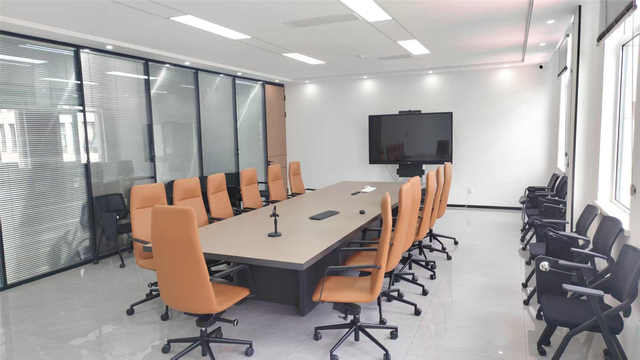
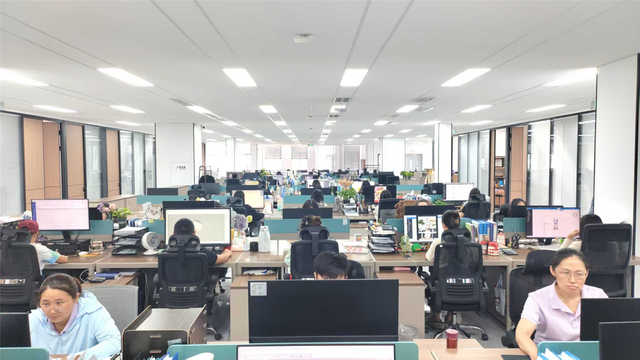
Shenzhen AeroLoad Logistics Co., Ltd. is a professional international logistics service provider specializing in efficient shipping solutions from China to Europe, the UK, Canada, and Mexico. Headquartered in Shenzhen, the company delivers reliable, end-to-end logistics services designed to support global trade and cross-border e-commerce businesses.
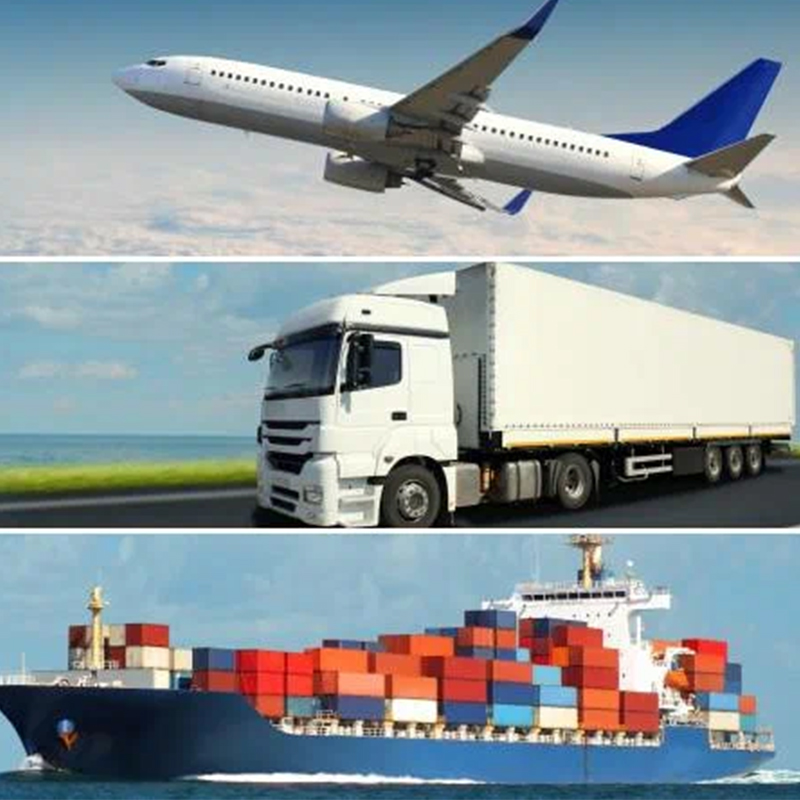
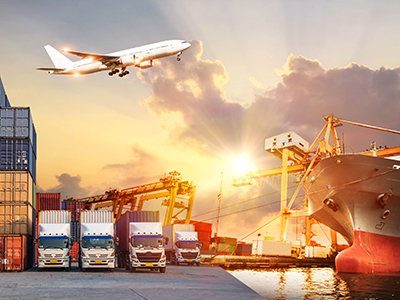
AeroLoad offers a full range of transportation options, including air freight, sea freight, and railway freight, enabling clients to choose the most cost-effective and time-efficient shipping methods. Its core services cover door-to-door delivery, DDP/DDU shipping, customs clearance, cargo consolidation, and last-mile distribution, ensuring smooth and hassle-free international logistics operations.
With extensive experience in handling diverse cargo types, the company supports industries such as electronics, consumer goods, machinery, and e-commerce. AeroLoad also provides specialized solutions for Amazon FBA shipments, helping sellers streamline their supply chain and improve delivery performance in overseas markets.
Driven by a commitment to efficiency and transparency, AeroLoad integrates advanced logistics tracking systems and digital management tools, allowing clients to monitor shipments in real time. The company maintains strong partnerships with global carriers and overseas agents, ensuring stable capacity and consistent service quality.
Shenzhen AeroLoad Logistics Co., Ltd. is dedicated to delivering flexible, reliable, and scalable logistics solutions, empowering businesses to expand internationally with confidence and optimize their global supply chain operations.

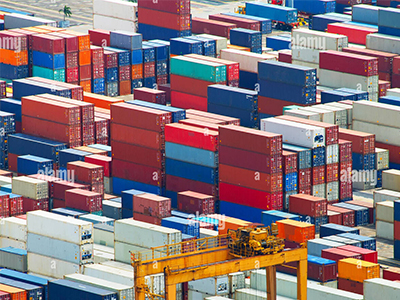
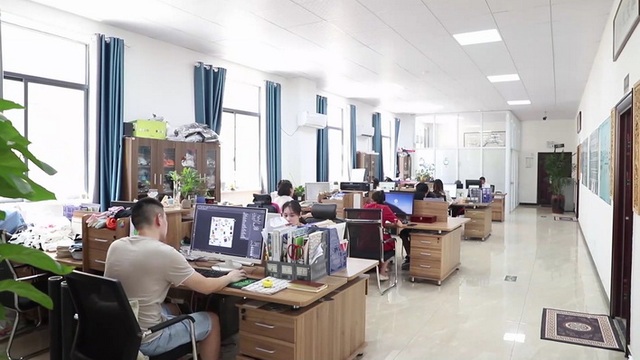
To ensure stable container transit to Calgary, AeroLoad integrates real-time positioning and data-sharing interfaces:
Essential guidance on liabilities, local fees, and border processes under DDU/DAP terms.
Under DDU (Delivered Duty Unpaid/DAP), the buyer handles Canadian customs clearances, duty payments, and taxes (5% GST in Alberta). Under DDP, the exporter takes on all customs and import liabilities, which can limit the buyer's ability to claim tax write-offs.
Ocean shipping to Vancouver takes 14 to 20 days. Transferring containers to rail and moving them to the Calgary terminal adds 5 to 7 days. Total door-to-door transit time ranges from 22 to 30 days, depending on rail yard congestion.
Yes. As of 2024, the CBSA requires all Canadian importers to register on the CARM Client Portal to authorize customs brokers, manage payments, and secure import clearances.
Consignees typically handle rail terminal fees, container storage beyond free-time allowances, chassis hire fees, and local drayage charges from the yard to their warehouse.
Additional global lanes, specialized intermodal freight configurations, and FCL logistics solutions connecting directly with our Calgary import hubs.
 AeroLoad Logistics