Explore our core shipping corridors, specialized Amazon FBA configurations, and global product routes optimized for high-volume trade.

An Analytical Blueprint for Global Freight Negotiation, Structural Procurement, and Cross-Border Cargo Management.
In the current macroeconomic framework of global trade, cross-border shipping costs constitute a significant portion of the total landed cost structure. Navigating the volatility of ocean liners, air cargo capacity, and regional rail lines requires more than transactional freight forwarding. It demands a systematic architecture of rate negotiation, volume consolidation, and comprehensive risk mitigation.
Shenzhen AeroLoad Logistics Co., Ltd. is a professional international logistics service provider specializing in efficient shipping solutions from China to Europe, the UK, Canada, and Mexico. Headquartered in Shenzhen, the company delivers reliable, end-to-end logistics services designed to support global trade and cross-border e-commerce businesses.
AeroLoad offers a full range of transportation options, including air freight, sea freight, and railway freight, enabling clients to choose the most cost-effective and time-efficient shipping methods. Its core services cover door-to-door delivery, DDP/DDU shipping, customs clearance, cargo consolidation, and last-mile distribution, ensuring smooth and hassle-free international logistics operations.
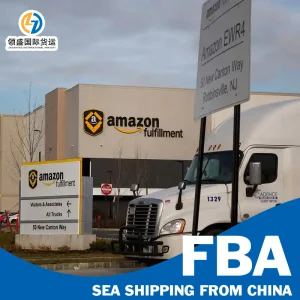
With extensive experience in handling diverse cargo types, the company supports industries such as electronics, consumer goods, machinery, and e-commerce. AeroLoad also provides specialized solutions for Amazon FBA shipments, helping sellers streamline their supply chain and improve delivery performance in overseas markets.
Driven by a commitment to efficiency and transparency, AeroLoad integrates advanced logistics tracking systems and digital management tools, allowing clients to monitor shipments in real time. The company maintains strong partnerships with global carriers and overseas agents, ensuring stable capacity and consistent service quality. Shenzhen AeroLoad Logistics Co., Ltd. is dedicated to delivering flexible, reliable, and scalable logistics solutions, empowering businesses to expand internationally with confidence and optimize their global supply chain operations.
Constructing multi-modal delivery grids that maintain baseline operating margins despite geo-economic shifts.
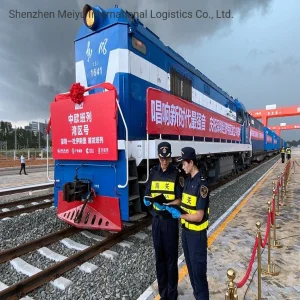
Utilizing sea-air configurations, intermodal rail lines across the Silk Road corridor, and express road freight networks to bypass congested maritime chokepoints and optimize overall transit times.
Systematic classification of goods under precise HS Code configurations. Maximizing utilization of preferential duty regimes, Free Trade Zones (FTZs), and DDP schemes to eliminate hidden administrative overheads.
Algorithmically pairing Less-than-Container Load (LCL) shipments into Full Container Loads (FCL) at strategic regional hubs in Shenzhen, minimizing demurrage charges and space booking premiums.
The industrial landscape of 2024–2025 is defined by shifting manufacturing epicenters and volatile supply routes. Key components such as container pricing indexes (e.g., Drewry's WCI, SCFI) dictate spot market rates, making proactive rate negotiation a necessity. Manufacturers and global suppliers are moving towards structured service contracts rather than volatile spot shipping markets.
Strategic shippers leverage bulk cargo profiles to lock in long-term Ocean and Air service contracts. Establishing direct negotiations with Non-Vessel Operating Common Carriers (NVOCCs) and direct vessel-operating common carriers (VOCCs) guarantees allocation stability during peak shipping seasons. The integration of digital APIs allows real-time assessment of carrier efficiency metrics, demurrage free-days, and destination port handling fees.
Operational risk in cross-border logistics is highly concentrated at localized entry ports. Failure to comply with specific regional customs directives can lead to severe warehouse penalties, custom holds, and astronomical detention fees.
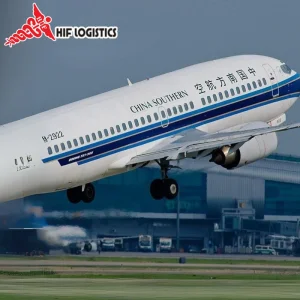
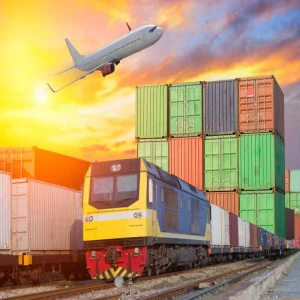
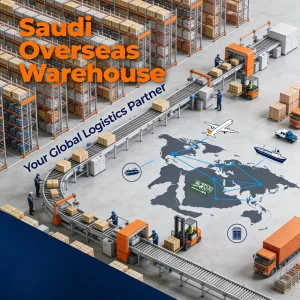
Visualizing our advanced warehouse consolidation, cross-border trucking, container staging areas, and international shipping lanes.





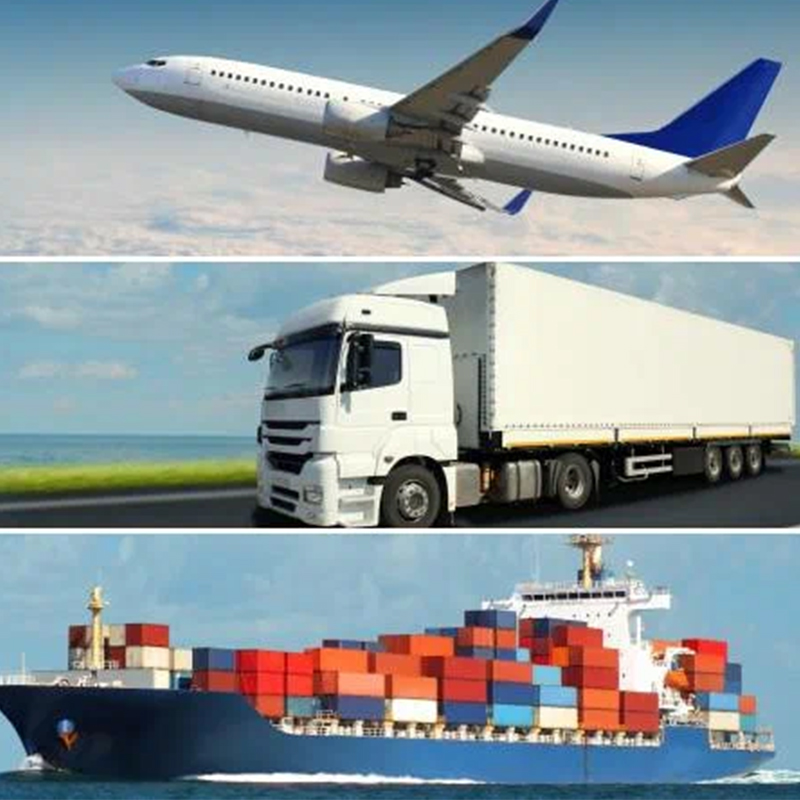
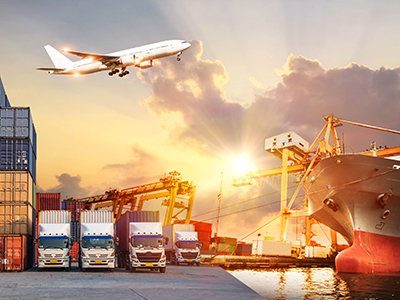
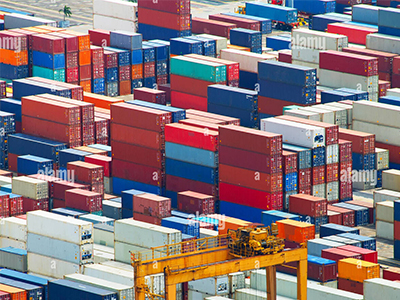

To understand the actual mechanics of rate negotiation, we look at real-world operational profiles across major industrial categories:
1. High-Value Consumer Electronics (Shenzhen to Germany/France): To minimize the high capital cost of inventory, shippers utilize a hybrid "Air-to-DDP" model. Rates are negotiated based on chargeability curves (weight vs. volume ratio). By committing to minimum weekly allocations, shippers secure tier-1 air freight rates that bypass spot market surges.
2. Industrial Machinery & Parts (China to Mexico): Heavy freight relies on specialized Sea Freight FCL structures. Negotiators focus on extending destination free-time (demurrage/detention) from the standard 7 days to 14 or 21 days. This buffer reduces costs during delays in overland transit from Manzanillo to central Mexico manufacturing corridors.
The logistics industry is transitioning toward fully digitized operational execution. Future supply chains will feature API-driven rate updates, dynamic AI space allocation, and end-to-end trace documentation stored securely on distributed ledgers. Smart contract systems can automate payment releases only when verified customs clearance events occur at destination hubs.
Shenzhen AeroLoad Logistics Co., Ltd. is leading this transition by integrating predictive route tracking. Through proactive ETA management, cargo owners can adjust last-mile distribution networks ahead of schedule, reducing warehousing charges.
Operational strategies for B2B procurement professionals, importers, and global supply managers.
Successful negotiation requires combining shipment volume commitments, optimal choice of Incoterms (e.g., shifting from FOB to FCA or DDP depending on who controls the freight chain), and utilizing multi-year contracts with NVOCCs to stabilize base rates.
Under DDP (Delivered Duty Paid), the seller bears all risks and costs, including import duties and VAT, to deliver the cargo to the destination. Under DDU (Delivered Duty Unpaid), the buyer is responsible for handling import customs clearance and paying the necessary regional duties and import taxes upon arrival.
AeroLoad provides end-to-end visibility, automated customs management, specialized FBA shipping setups, and regional warehousing. This allows e-commerce sellers to manage shipments, minimize delays, and optimize overall transit costs.
Explore additional cross-border logistics lanes, Express Freight solutions, and specialized destination corridors.
 AeroLoad Logistics