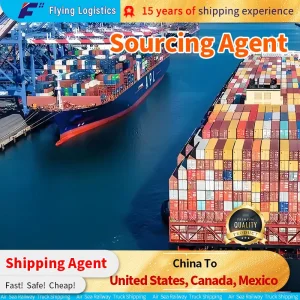


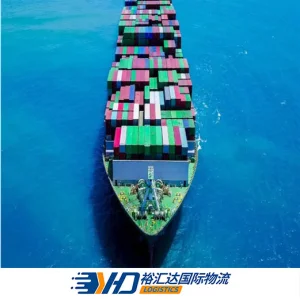
Shenzhen AeroLoad Logistics Co., Ltd. is a professional international logistics service provider specializing in efficient shipping solutions from China to Europe, the UK, Canada, and Mexico. Headquartered in Shenzhen, the company delivers reliable, end-to-end logistics services designed to support global trade and cross-border e-commerce businesses.
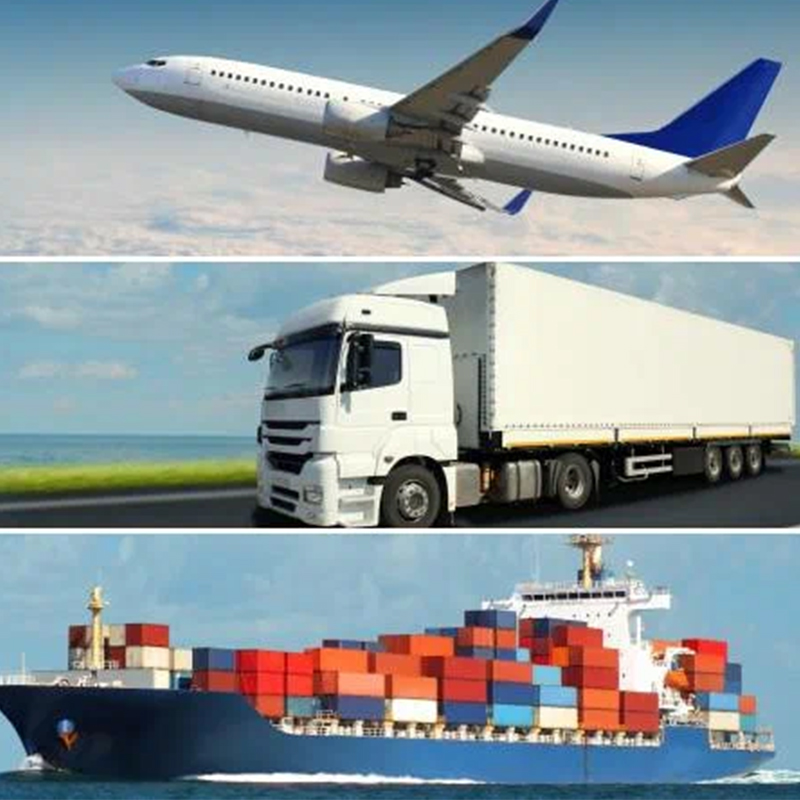
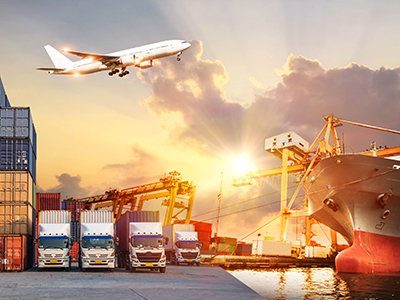
AeroLoad offers a full range of transportation options, including air freight, sea freight, and railway freight, enabling clients to choose the most cost-effective and time-efficient shipping methods. Its core services cover door-to-door delivery, DDP/DDU shipping, customs clearance, cargo consolidation, and last-mile distribution, ensuring smooth and hassle-free international logistics operations.
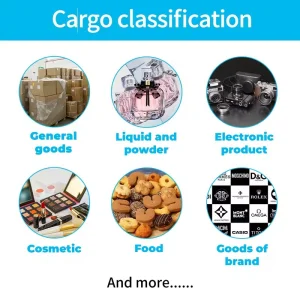
With extensive experience in handling diverse cargo types, the company supports industries such as electronics, consumer goods, machinery, and e-commerce. AeroLoad also provides specialized solutions for Amazon FBA shipments, helping sellers streamline their supply chain and improve delivery performance in overseas markets.
Driven by a commitment to efficiency and transparency, AeroLoad integrates advanced logistics tracking systems and digital management tools, allowing clients to monitor shipments in real time. The company maintains strong partnerships with global carriers and overseas agents, ensuring stable capacity and consistent service quality.


An in-depth analysis of regulatory, technical, and localized trends shaping global chemical and battery logistics.
The transport of hazardous substances has expanded beyond chemical compounds. The shift to renewable energy has introduced new challenges, specifically with lithium-ion battery logistics. Across international channels, regulatory standards set by bodies like IATA, IMO, and ADR are changing rapidly. Compliance frameworks are shifting focus toward proactive hazard identification and the standardization of lithium battery (Class 9) shipping procedures.
Modern dangerous goods transport relies on advanced thermal modeling and container insulation technologies. The industry is moving away from reactive containment and toward preventative monitoring. By using localized transit hubs and custom sorting configurations, logistics providers minimize the risk of thermal runaway. Global carriers now prioritize supply chain transparency, driving demand for detailed classification reporting (including MSDS, UN38.3, and certified testing data).
Large enterprise purchasers face unique challenges when securing DG transport solutions. The goal is no longer just finding the lowest transport rate, but reducing the Total Cost of Ownership (TCO). Procurement teams look for risk mitigation strategies, comprehensive customs clearance bonds, and end-to-end liability coverage. A single compliance error can lead to cargo seizures, fines, and disrupted assembly schedules.
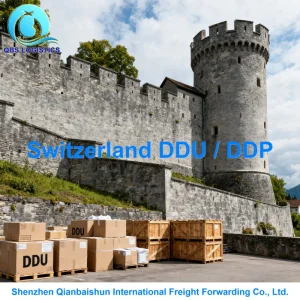
For cross-border trade, suppliers must offer reliable DDP (Delivered Duty Paid) frameworks. This removes tax and customs headaches for the buyer, guaranteeing smooth transport across international jurisdictions like the USA, Canada, and Mexico. By consolidating DG shipments and utilizing specialized consolidators, procurement managers can lower per-unit freight costs without compromising on safety or compliance.
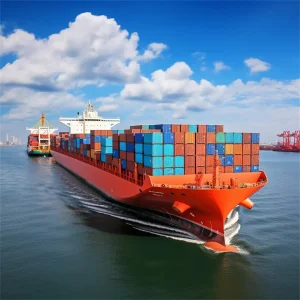
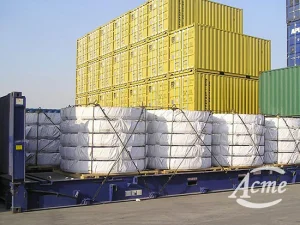
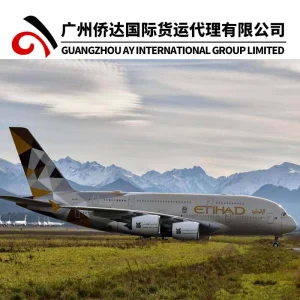
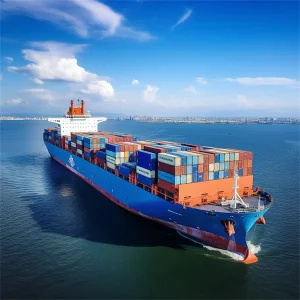
Optimizing supply chain designs requires a mix of air, sea, and rail freight channels. Air transport is preferred for high-value Class 9 items like automotive batteries and consumer electronics because of its speed and security. Sea shipping handles bulk chemical raw materials and industrial goods, focusing on route stability and cost-efficiency. Rail corridors between China and Europe provide a reliable mid-tier alternative that avoids ocean freight congestion and is less susceptible to weather disruptions.
AeroLoad Logistics design customized routing models. These models balance transit speed with regulatory restrictions, avoiding transit hubs with strict hazardous cargo rules. By planning around secondary ports and maintaining strong regional distribution networks, AeroLoad ensures stable space allocation, even during peak shipping seasons.
Deploying advanced logistics technology for safer and more transparent transport.
Continuous cargo tracking with real-time updates on temperature, relative humidity, and acceleration profiles to maintain cargo integrity.
Algorithmic documentation checks cross-reference packing certificates, SDS, and dangerous goods declarations against regional regulatory databases.
Proprietary software designs transit paths that avoid restricted cities, high-temperature lanes, and bottlenecked customs points.
Regional policies vary widely when it comes to importing dangerous goods. Under the US DOT Title 49 CFR, Health Canada regulations, and Mexican NOM directives, importers must meet specific classification and labeling requirements. AeroLoad handles these local details by working with dedicated import agents. These agents manage customs classification, file hazardous material manifests, and arrange local distribution.
This localized support is critical for DDP shipments destined for Amazon FBA warehouses. Amazon enforces strict limits on hazmat storage and requires specific product safety documentation. AeroLoad assists sellers by organizing and verifying their paperwork prior to shipping. This ensures that shipments arrive at regional hubs without delays or compliance penalties.

The future of dangerous goods logistics lies in automated safety and predictive risk modeling. As supply chains generate more data, carriers can analyze historical shipping patterns to identify potential issues. For example, machine learning models can predict pressure changes in container shipments based on weather and route profiles, allowing operators to adjust cargo placements beforehand.
In addition, sustainable logistics practices are becoming more prominent. Companies are looking to reduce carbon emissions by using alternative fuel vessels and optimizing vehicle packing structures. At the same time, the transition to reusable, fire-resistant packaging materials is replacing single-use wooden crates, making the shipping process both safer and more environmentally friendly.
Clear answers to common questions about dangerous goods shipping and global logistics.




 AeroLoad Logistics