A shipment can appear motionless while several checks continue behind the scenes. If you are asking, “why is my shipment stuck in customs,” the answer may involve an incomplete invoice, an unclear product description, or a missing certificate. Sometimes, the carrier simply needs information from the importer.
Lars Karlsson, a former Swedish Customs official and customs modernization expert, has said, “Customs is not a barrier to trade; it is a facilitator of trade.” That perspective matters. Customs officers review declarations to confirm value, origin, classification, and safety details. A small mismatch can pause a package at the border. One missing digit can matter.
This guide explains how to identify the delay without guessing. Check the tracking message carefully. Then contact the carrier or customs broker listed for the shipment. Ask which document or detail remains outstanding. Keep the commercial invoice, packing list, purchase receipt, and identification details nearby. Clear photos of the label can help too.
Be patient, but do not stay passive. A polite, specific question often moves the case forward. Still, tracking updates can be vague. That is frustrating. I have seen people blame customs immediately, when the real issue was an incorrect phone number or an unpaid processing charge. The process is not always transparent, and that deserves honest acknowledgment. With accurate records and timely communication, many routine delays can be resolved safely and lawfully.
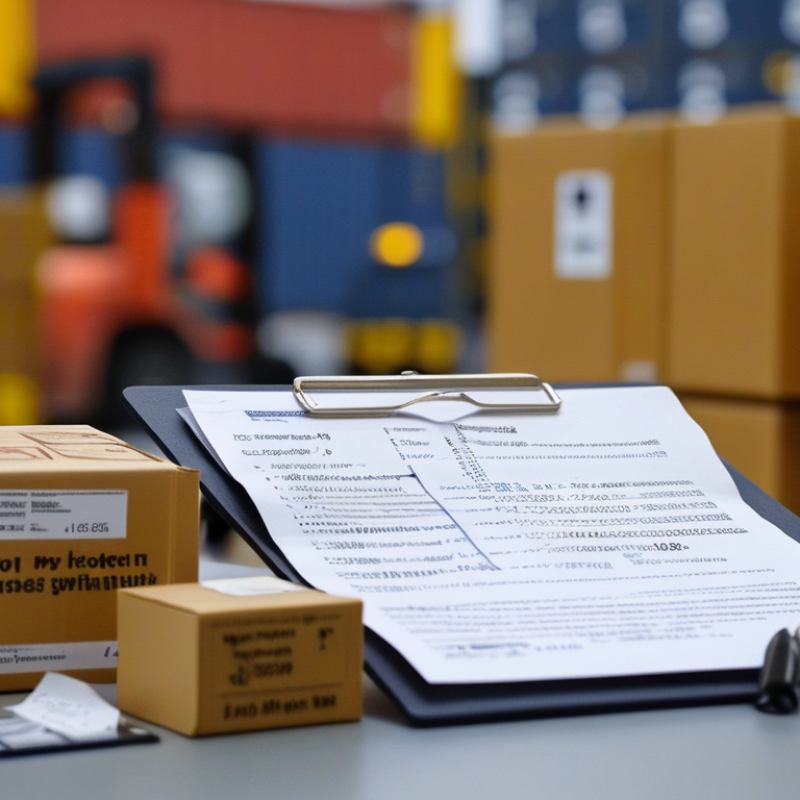
A shipment can remain in customs for several ordinary reasons. Missing commercial invoices, unclear product descriptions, or mismatched values often trigger a manual review. Customs officers may also verify the importer’s tax details, country of origin, or tariff classification. Sometimes, the parcel simply waits for a queue to move.
The World Bank’s 2023 Logistics Performance Index collected responses from 4,090 trade professionals across 139 economies. It shows that customs clearance speed and predictability still vary widely between trading routes. This matters because a package may leave the airport quickly, then pause for days at the border. In my experience, tracking messages rarely explain the real cause. That uncertainty encourages poor decisions. Do not assume the carrier lost the shipment.
Tips: Check the latest tracking event and contact the carrier’s customs desk. Ask whether an invoice, authorization, or payment is missing. Keep product descriptions specific, such as “cotton jacket,” not “clothing.” The World Customs Organization’s Time Release Study guidance also supports measuring each clearance step, not guessing from the final delivery date. Reply quickly, but review every document carefully. One small mismatch can restart the review.
When a shipment appears stuck in customs, start by checking its latest scan, not guessing from the delivery date. Open the official tracking page and record the timestamp, location, and exact status wording. “Customs clearance” differs from “customs hold.” The first may show routine review, while the second often signals missing information, assessed charges, or a request for clarification. Check again after several hours; scans can post late. This small delay matters.
Compare the tracking record with the customs notice, email, or message linked to the shipment. A legitimate notice usually identifies a reference number, required document, deadline, and contact channel. Confirm the sender through the official website rather than clicking an unexpected payment link. Contact the carrier or customs office using independently verified details. Ask what is missing, who must provide it, and whether the shipment requires further review. Keep invoices, proof of purchase, identification, and product descriptions ready if requested.
Vague updates create the most confusion. Ask for the last completed clearance step. Then request the next action in writing. Do not resend documents repeatedly without checking file quality or reference numbers. A blurred invoice can restart the delay. Be careful here. Customs timelines vary by country, shipment type, workload, and document accuracy. If the status exceeds the stated review period, escalate through the official support channel and save every case number. My assumption that “in transit” meant movement was wrong; it sometimes meant the package was waiting in a facility.
| Shipment Status or Customs Message | What It Usually Means | Common Cause | Information to Check | Recommended Action | Typical Resolution Window | Escalation Trigger |
|---|---|---|---|---|---|---|
| Customs Clearance Started | The shipment has entered the import customs process and is being reviewed. | Routine document, data, and risk assessment checks. | Arrival date, entry country, declared value, description, and current tracking event. | Continue monitoring the tracking record and keep the invoice and shipment documents available. | Often within 1–3 business days, depending on the country, shipment type, and workload. | No new update after the normal processing period published by the carrier or customs authority. |
| Documentation Required | Customs cannot complete the review because one or more documents or data fields are missing. | Missing commercial invoice, incomplete consignee details, unclear product description, or absent permits. | Invoice, packing list, transport document, importer information, product description, and country of origin. | Submit complete and consistent documents through the carrier, customs broker, or official customs channel. | Commonly 1–5 business days after acceptable documents are received. | Documents were submitted but the tracking status remains unchanged for several business days. |
| Awaiting Importer Information | The importer or recipient must provide information before the entry can be processed. | Unverified identity, incomplete tax or importer number, or missing contact details. | Recipient name, address, telephone number, email address, and any required importer identification number. | Respond promptly to the notification and ensure the information matches the shipment documents. | Usually 1–3 business days after the requested information is accepted. | No request is visible but the shipment remains on hold; contact the carrier or broker for the exact requirement. |
| Customs Hold | Release has been paused while customs performs an additional review or waits for action. | Value verification, classification review, regulatory screening, inspection selection, or incomplete data. | Hold reason, requested documents, tariff classification, declared value, and any inspection notice. | Ask the carrier or broker for the precise hold reason and provide only the requested information. | May range from several business days to multiple weeks, depending on the issue. | The shipment exceeds the published service standard or no responsible contact provides a clear next step. |
| Additional Information Requested | Customs needs clarification before deciding whether the goods can be released. | Generic item descriptions, unclear end use, inconsistent quantities, or questionable product category. | Detailed product name, material, function, quantity, unit price, intended use, and supporting documents. | Submit a precise description and ensure every document uses consistent product and value information. | Often 1–5 business days after a complete response is received. | Repeated requests for the same information or no acknowledgment of the submitted response. |
| Duty or Tax Payment Required | Import charges have been assessed and must be paid before delivery or release. | Applicable customs duty, import tax, processing fee, or other legally assessed charge. | Payment notice, assessment amount, payment deadline, payer details, and payment confirmation. | Pay through the authorized payment method and retain the receipt or transaction reference. | Often released within 1–3 business days after payment confirmation. | Payment is confirmed but the shipment remains held beyond the stated processing period. |
| Valuation Review | Customs is checking whether the declared transaction value is acceptable for assessment. | Declared value appears inconsistent with the invoice, quantity, product type, or available commercial evidence. | Commercial invoice, proof of payment, order record, freight cost, insurance cost, and transaction terms. | Provide accurate evidence of the purchase value and never alter documents to reduce assessed charges. | Varies from a few business days to several weeks. | Customs issues a formal request, reassessment, penalty notice, or continued hold without explanation. |
| Classification Review | Customs is determining the correct tariff classification for the imported goods. | Product description is too broad, the item has multiple functions, or the tariff code is incomplete or disputed. | Product specifications, composition, technical literature, intended use, and proposed tariff code. | Provide a detailed product specification and obtain professional classification assistance when necessary. | Several business days to multiple weeks, depending on complexity. | A formal classification decision, additional duty assessment, or regulatory restriction is issued. |
| Inspection Required | Physical or non-intrusive inspection has been selected before customs release. | Random screening, risk-based selection, restricted goods review, or documentation inconsistency. | Inspection notice, location, handling instructions, package condition, and requested attendance or documents. | Follow the official instructions and avoid opening, moving, or modifying the shipment without authorization. | May take several business days or longer during periods of high inspection volume. | No inspection appointment or result is provided after the stated inspection timeframe. |
| Permit or License Required | The goods may require authorization from a government agency before importation. | Controlled products, regulated food or plant material, medicines, chemicals, electronics, or other restricted categories. | Import permit, product registration, safety certificate, health certificate, or other applicable authorization. | Contact the relevant authority or customs broker to determine whether the required authorization can still be obtained. | Can range from several days to several months, depending on the permit. | The permit cannot be obtained, the goods are prohibited, or a seizure or re-export notice is issued. |
| Prohibited or Restricted Goods Concern | Customs has identified a possible legal restriction or prohibition affecting the shipment. | Product category, destination rules, quantity limits, sanctions screening, or missing regulatory approval. | Exact item description, material, origin, destination, quantity, and applicable import rules. | Request the official reason in writing and follow instructions for release, re-export, abandonment, or disposal. | Highly variable; the shipment may not be releasable. | Any seizure notice, legal notice, penalty notice, or confirmation that the goods are prohibited. |
| Address or Recipient Verification | The shipment data does not sufficiently identify the importer or delivery destination. | Incorrect postal code, mismatched recipient name, incomplete address, or unavailable contact information. | Full delivery address, recipient identity, telephone number, email address, and invoice details. | Correct the information through the carrier or broker and request confirmation that the customs entry was updated. | Usually 1–3 business days after correction. | The correction is confirmed but the shipment remains in customs or is returned to origin. |
| Origin Information Required | Customs needs to verify where the goods were manufactured or substantially processed. | Country of origin is missing, inconsistent, or unsupported by the invoice or product records. | Manufacturing country, origin statement, supplier declaration, and supporting production records. | Provide an accurate origin statement and ensure it is consistent across all shipment documents. | Often 1–5 business days after submission. | Origin affects duty treatment, trade measures, sanctions screening, or eligibility for preferential rates. |
| Released by Customs | Customs has authorized the shipment to continue to the next delivery stage. | Required checks are complete and any assessed charges or documents have been accepted. | Release timestamp, next transport event, delivery estimate, and any outstanding local delivery fee. | Monitor the next carrier scan and contact the carrier only if no movement occurs after the normal transfer period. | Commonly 1–3 business days before the next transportation scan. | No movement after release, a delivery exception appears, or the package is transferred to a different facility. |
| Held Beyond Expected Time | The shipment has remained in a customs-related status longer than the applicable normal processing period. | Unresolved document request, inspection backlog, payment problem, data mismatch, or regulatory review. | All tracking events, dates, case numbers, submitted documents, payment receipts, and previous communications. | Open a formal trace with the carrier or broker and request the customs entry status and exact pending action. | Depends on the destination and issue; escalation should begin once the published service standard is exceeded. | Immediate escalation is appropriate for legal notices, perishable goods, urgent documents, or potential loss. |
A customs hold usually begins with a mismatch, not a mysterious delay. The commercial invoice may show one product description, while the packing list shows another. A wrong HS classification, missing country of origin, or unclear Incoterm can trigger questions. Check these fields against the purchase order and shipment label. Small errors matter.
Duties are another frequent obstacle. Customs may recalculate value when freight, insurance, discounts, or assists are omitted. Request the assessment notice, then compare its value, tariff code, quantity, and currency with your records. Do not guess. The WTO estimated that full Trade Facilitation Agreement implementation could reduce trade costs by 14.3 percent. That figure reflects better processes, not permission to bypass payment or review.
Import requirements vary by product and destination. Confirm permits, certificates, labeling, safety documents, and importer-of-record details before sending a correction. Ask the broker or customs office for the exact missing item and a written deadline. In practical shipment reviews, a clean document packet often resolves issues faster than repeated status checks. Still, paperwork is not infallible. One overlooked revision can reopen the hold. The OECD’s 2022 Trade Facilitation Indicators report linked reforms since 2017 with 5–8 percent lower trade costs on average. Use that lesson to standardize templates, retain version history, and reconcile documents before dispatch.
Customs performance differs by region. Before contacting the carrier, review the commercial invoice, packing list, HS classification, declared value, country-of-origin details, permits, and any unpaid duties or taxes.
The chart shows the World Bank Logistics Performance Index 2023 customs component by region, scored from 1 (low) to 5 (high). The score provides regional context only and does not predict the clearance time of an individual shipment.
How to Resolve Why Is My Shipment Stuck in Customs 2026?
When tracking stops at “customs hold,” contact the carrier’s clearance team first. Ask for the exact hold code, entry number, and missing document. A vague status is not enough. Confirm whether customs needs an invoice, packing list, origin statement, or proof of payment. Check that product descriptions, quantities, and declared values match every document. One small mismatch can create days of delay. The World Bank’s 2023 Logistics Performance Index treats customs clearance as a core measure of supply-chain reliability, showing why document accuracy matters.
Contact the customs office only through its official channels. Provide the shipment reference and ask which action is required, without guessing the answer. Some offices will speak only with the importer or an authorized representative. A licensed customs broker can communicate for you, classify goods, and correct an entry when permitted. Give the broker written instructions and review all declarations before approval. Keep emails, receipts, and call times in one file. Poor records make follow-up harder. The WTO’s Trade Facilitation Agreement, supported by OECD analysis, links streamlined border procedures with average trade-cost reductions of up to 14.3%. That benefit is not automatic; unclear paperwork can still interrupt release. I once assumed the carrier controlled every delay. That assumption was wrong. Ask who currently holds the file.
A shipment can remain in customs when officials need clearer information, corrected paperwork, or payment confirmation. The tracking message may look vague, but the next action is usually practical. Contact the carrier or appointed customs representative and request the exact hold reason in writing. Ask whether the issue concerns the commercial invoice, package description, declared value, tariff classification, or missing authorization.
Check the timestamp. Compare every document with the parcel label. The product description should be specific, such as “stainless steel kitchen strainer,” not simply “goods.” Confirm the quantity, currency, country of origin, and recipient details. Small errors matter. Send corrected documents promptly, but do not alter facts to speed release. Customs may also request proof of purchase, an import registration, or payment of assessed duties and taxes. Keep copies of emails, invoices, and submission times.
Prevention begins before dispatch. Use a document checklist and review the shipment with someone familiar with current import requirements. Confirm whether the destination requires special declarations for ordinary consumer products. Give the recipient a reachable phone number and email address. Respond quickly to official requests. In practice, rushed descriptions create avoidable delays; I have also seen carefully prepared files held because one address used an old format. That is worth checking. Build a small buffer into delivery estimates, especially during seasonal congestion. If the shipment remains unchanged after the stated review period, request an escalation through the carrier’s customs channel and record each response.
: Missing invoices, unclear descriptions, incorrect values, or classification questions may trigger manual review. Queues also cause delays. Do not assume the parcel is lost.
Record the latest scan, timestamp, location, and exact status wording. “Customs clearance” may mean routine review. “Customs hold” may indicate missing information or assessed charges.
Contact the carrier’s customs desk through independently verified details. Ask what is missing, who must provide it, and whether further review is needed. Request the next action in writing.
Review the commercial invoice, packing list, shipment label, and purchase order. Check product descriptions, quantities, currency, value, origin, and tariff classification. One mismatch can restart the review.
Use clear wording, such as “cotton jacket” instead of “clothing.” Include material, purpose, quantity, and relevant product details. Vague descriptions invite questions.
Request the assessment notice before responding. Compare its value, tariff code, quantity, currency, freight, insurance, and discounts with your records. Do not guess.
Verify the sender through an official website before opening links or submitting information. Check the reference number, deadline, required document, and contact channel. Unexpected payment links deserve caution.
Escalate through the official support channel when the stated review period has passed. Save case numbers, messages, timestamps, and submitted documents. Keep everything.
They can create confusion if files are blurred, outdated, or linked to the wrong reference. Check file quality and version details before resending anything. My assumption was wrong once.
If you are wondering, “why is my shipment stuck in customs,” the delay may be caused by incomplete paperwork, an incorrect description of the goods, unpaid duties or taxes, missing import information, or a routine inspection. Start by checking the latest tracking updates and looking for messages that identify a customs hold. Compare the shipment details with your invoice, packing list, identification documents, and any required permits or certificates to find possible errors or missing information.
Next, contact the carrier, customs office, or a qualified customs broker for clear instructions on what must be corrected or submitted. Respond promptly, pay any legitimate charges, and provide accurate information to support the release process. To reduce future delays, prepare documents carefully, confirm destination requirements before shipping, use consistent descriptions and values, and monitor the shipment from dispatch through delivery. Keeping organized records and communicating quickly can help resolve customs issues efficiently.

AeroLoad Logistics