Why Do Shipping Prices Fluctuate So Much in 2026?
A container’s price can change before it leaves the port. One week, a booking from Shanghai to Los Angeles may include a fuel surcharge; the next, limited vessel space or a skipped sailing can raise the total. So, why do shipping prices fluctuate frequently? The short answer is that rates respond to several moving parts, not one universal price.
Peter Sand, Chief Analyst at Xeneta, has repeatedly explained that freight rates reflect changing supply and demand. In brief: “Rates move when available capacity and cargo demand fall out of balance.” That principle matters in 2026, when seasonal buying, carrier capacity, fuel costs, port congestion, and route disruptions can affect different lanes in different ways. A quiet port does not guarantee a cheap shipment elsewhere. Small changes matter.
This guide examines the forces behind those shifts and shows what shippers can check before comparing quotes. Look beyond the headline rate. Review the route, shipment size, transit time, surcharges, and quote validity date; a low base price may not represent the final bill. We’ll also distinguish temporary spikes from broader market changes, using reliable industry data and practical examples. Rates are not always predictable. That is worth admitting: forecasts can miss sudden disruptions, and past prices cannot promise future costs. The goal is not to guess every move, but to understand the signals and make better-informed shipping decisions.
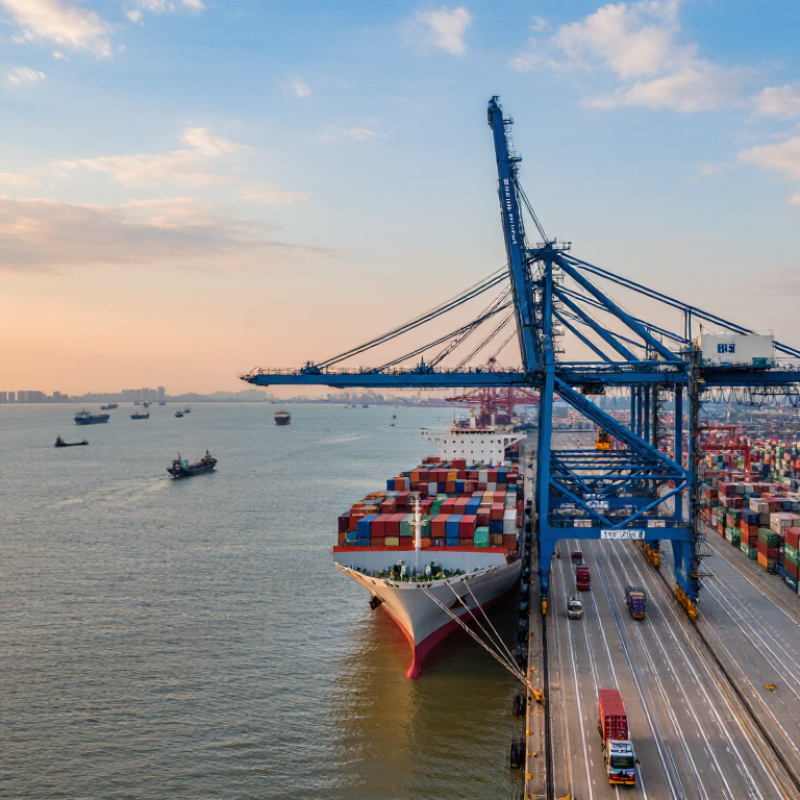
A shipping quote is usually built from several parts, not one flat rate. The carrier starts with the service level, route, and package details. Then it compares actual weight with dimensional weight, which estimates how much space a parcel occupies. The higher figure may determine the billable weight. A large, light box can therefore cost more than a compact, heavier one. It adds up.
The base rate may also include fuel, peak-demand, residential-delivery, or remote-area surcharges. Special handling and pickup services can add further fees. In 2026, changing demand and available transport capacity can shift some rates, even when a package stays the same. For a reliable estimate, measure the packed parcel, not the empty carton, and check the quote’s service and delivery assumptions. A small measurement error can change the chargeable size. A common mistake is to compare two prices without checking whether they cover the same delivery speed or fees. That comparison can mislead. Exact formulas and dimensional-weight divisors vary by carrier and service, so the final invoice may differ from a quick estimate.
How Shipping Prices Are Calculated — an illustrative breakdown of a hypothetical $100 shipment
Shipping quotes can change with distance, package weight and size, fuel costs, handling requirements, and surcharges such as peak-season or customs fees. The figures above are an example for explanation only, not a live market price or industry benchmark; actual costs depend on the shipment, route, service, and carrier.
Shipping prices change when demand, available vessel space, fuel costs, and route conditions shift. A full vessel can push rates up quickly, while weaker demand may leave carriers competing for fewer bookings. Distance matters, too: when ships divert around a disrupted corridor, journeys take longer and capacity is tied up. UNCTAD reported that weekly Suez Canal transits had fallen 42% by mid-January 2024, compared with their recent peak. Container ship transits fell 67%. Longer routes meant more sailing days, fuel use, and schedule uncertainty. That pressure can reach a shipper’s quote, though not always at the same speed.
Fuel is only part of the bill. Port congestion, equipment shortages, seasonal demand, and changes in carrier capacity can also alter rates. A sudden rush before a holiday may fill space on popular routes; a quiet period can ease prices. UNCTAD’s Review of Maritime Transport 2024 describes how geopolitical tensions and climate-related disruptions have affected shipping routes and costs. Timing matters. So does the lane. Two shipments booked in the same week may receive different prices because their origins, destinations, service levels, or cargo volumes differ. I would not treat one weekly quote as a trend. Rates can move before the underlying cause is obvious, and a neat explanation may miss local conditions.
Shipping prices in 2026 can change even when the cargo stays the same. The market around it does not. Fuel prices shift, vessel and truck capacity tightens, and seasonal demand competes for limited space. A shipment booked during a quiet week may cost less than one moving before a retail peak. Small timing changes matter.
Route disruptions, port congestion, and severe weather can add days or force carriers to reroute. Longer journeys use more fuel and equipment time. Labor availability and terminal delays can also affect rates, especially when several bottlenecks appear together. Not every surcharge signals a lasting trend. Some reflect a short-lived constraint; others point to tighter capacity across an entire trade lane. It depends.
Shipment details matter too. A bulky carton may occupy more space than its scale weight suggests, while a late booking can mean fewer service options. Compare quotes using the same pickup dates, delivery speed, cargo dimensions, and handling services. Ask which charges are fixed and which may change. I would not treat one quote as a market benchmark. Forecasts help, but they can miss the turn.
The same shipment can receive very different quotes because distance is only part of the calculation. A vessel route depends on port congestion, fuel costs, canal access, and available container space. UNCTAD reported that by early 2024, transits through the Suez and Panama Canals had fallen 42% and 49% from their respective peaks. Rerouting around Africa adds sailing time, fuel use, and pressure on vessel schedules. Small delays matter.
Shipping method changes the price equation. Ocean freight usually costs less per unit, but can take weeks and may involve extra port and inland charges. Air freight is faster, yet limited cargo capacity makes rates sensitive to sudden demand. IATA reported that global air cargo demand rose 11.3% in 2024, while capacity increased 7.3%. When demand grows faster than available space, shippers may pay more to secure a departure.
Route comparisons also need the same service terms. One quote may include pickup and delivery; another may cover only port-to-port transport. A low ocean rate can look less attractive after storage, handling, or a missed connection. I would not treat a single quote as the market price. It is an imperfect snapshot, shaped by the route, timing, cargo size, and what the quote actually includes.
Shipping prices change with capacity, fuel, demand, distance, handling, and disruption risk. The comparisons below are general planning guidance, not live quotations; actual rates depend on shipment details and booking date.
| Route and Shipping Method | Typical Transit Time | Relative Cost | Typical Price Volatility | Why Prices Differ |
|---|---|---|---|---|
| East Asia to Northern Europe — Ocean freight, standard container | About 25–40 days port to port | Low per unit for large shipments | High | Rates respond to vessel capacity, seasonal demand, fuel costs, port congestion, and whether vessels must reroute around disrupted waterways. |
| East Asia to the Mediterranean — Ocean freight, standard container | About 30–45 days port to port, depending on routing | Low per unit for large shipments | High | Route length and canal or regional security conditions can affect sailing schedules, fuel use, vessel availability, and insurance costs. |
| East Asia to the U.S. West Coast — Ocean freight, standard container | About 14–25 days port to port | Low per unit for large shipments | High | Rates can rise when peak-season bookings use available capacity. Port congestion, labor interruptions, and changes in import demand also matter. |
| East Asia to the U.S. East Coast — Ocean freight, standard container | About 25–40 days port to port | Low per unit for large shipments | High | Longer journeys, canal routing, inland connections, and port conditions can add cost and uncertainty compared with some West Coast services. |
| International air freight — Major airport to airport | About 1–5 days in transit; handling and customs add time | High per kilogram | Medium to high | Rates are sensitive to available cargo space, passenger-flight capacity, fuel prices, shipment weight and dimensions, and urgent demand. |
| Rail freight — China–Europe corridor | About 15–25 days terminal to terminal, where service is available | Usually between ocean and air | Medium to high | Border procedures, rail capacity, interchange handling, security conditions, and the availability of suitable scheduled services affect both price and transit time. |
| Road freight — Cross-border regional shipping | About 1–7 days, depending on distance and border clearance | Medium; varies substantially by distance | Medium | Fuel, driver availability, tolls, border queues, road conditions, and the need for temperature-controlled or specialized vehicles influence rates. |
| International parcel — Express air network | About 1–5 business days, depending on origin and destination | High for heavier or bulky parcels | Medium | Pricing commonly reflects chargeable weight (actual or dimensional weight), delivery speed, residential or remote-area handling, and fuel or peak-season surcharges. |
| Less-than-container-load (LCL) — Ocean freight | About 30–50 days door to door on many long-haul lanes | Higher per unit than a full container | Medium to high | Consolidation and deconsolidation, warehouse handling, minimum charges, and the timing of other shippers’ cargo can affect the total price and schedule. |
How to compare quotes: Check whether the price includes pickup, export and import handling, customs clearance, duties and taxes, delivery, fuel or peak surcharges, and insurance. Transit-time ranges are indicative and can change with routing, customs procedures, and disruptions.
Shipping prices can change when fuel costs, available cargo space, port delays, or seasonal demand shift. A small business may see a different quote for the same box just days later. In 2026, changing trade routes and carrier capacity can add more uncertainty. The final price may also include fees for residential delivery, remote areas, or urgent service. Details matter.
Businesses can compare quotes across several shipping speeds and review invoices for extra charges. Some keep a modest buffer in their budgets instead of promising customers a fixed delivery cost months ahead. Consumers can compare delivery options, combine purchases, or choose a slower service when timing allows. Nobody enjoys a surprise fee. Still, chasing the cheapest quote can backfire if tracking, handling, or delivery estimates are unclear. Even careful planning misses things.
Distance is only one factor. Fuel costs, port congestion, container space, and route changes also affect the quote. Small delays matter.
Ocean freight usually costs less per unit but may take weeks. Air freight is faster, though limited cargo space can raise rates. Speed costs more.
Rerouting around Africa can add sailing time and fuel use. By early 2024, canal transits had fallen 42% and 49% from their respective peaks.
In 2024, air cargo demand grew 11.3%, while capacity rose 7.3%. When demand outpaces available space, securing a departure may cost more.
Compare the same service terms. One quote may include pickup and delivery, while another covers only port-to-port transport. Read the details.
Yes. Storage, handling, inland transport, or a missed connection may add charges. A low starting price can be misleading.
Compare several speeds and review invoices for extra fees. A modest budget buffer may help, but it cannot predict every spike.
Check parcel weight and dimensions before requesting a quote. Combining purchases or choosing slower delivery may help when timing allows. Not always, though.
Shipping prices are calculated from several elements, including package size and weight, distance, delivery speed, fuel use, and handling requirements. These costs can change as carriers adjust capacity and service rates. Understanding why do shipping prices fluctuate frequently means looking at how these factors interact: seasonal demand, weather disruptions, labor availability, fuel costs, and changes in the balance between shipments and transport space can all affect the final price.
In 2026, market conditions may make these shifts especially noticeable as demand patterns, operating expenses, and available capacity continue to evolve. Prices also vary by route and shipping method, since distance, infrastructure, transit time, and the type of transport each influence cost. Businesses can respond by comparing service options, planning shipments earlier, and reviewing delivery priorities, while consumers may weigh speed against price and choose flexible delivery times. Careful planning can help both groups manage changing shipping expenses without sacrificing the service they need.

AeroLoad Logistics