Top 10 Benefits of Multimodal Transportation in Logistics?

Time:2026-06-01 Author:Mason
0%

In the fast-paced world of logistics, understanding what is multimodal transportation in logistics becomes crucial. Multimodal transportation integrates various modes of transport. These include road, rail, air, and sea. This approach enhances flexibility and efficiency in shipping goods. Companies can adapt quickly to changing market demands.

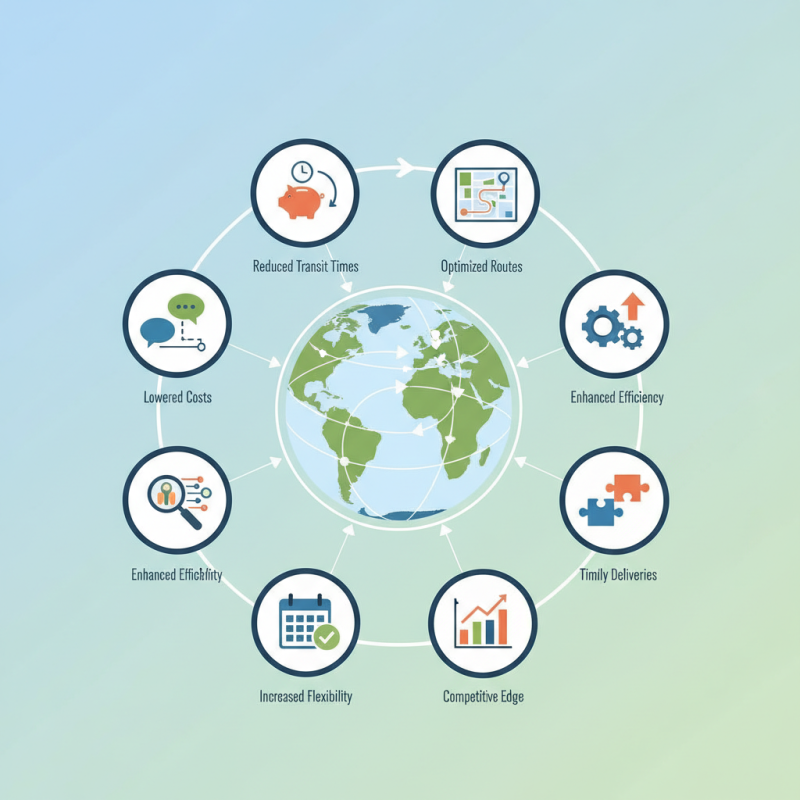
The benefits of multimodal transportation are numerous. It reduces transit times and lowers costs. Businesses can optimize their routes and utilize resources more effectively. Enhanced visibility throughout the supply chain ensures timely deliveries. However, challenges do exist. Coordination and communication among different transport providers can be complex.

Despite these challenges, many logistics companies embrace multimodal strategies. They recognize the value of innovation in optimizing transport solutions. Incorporating multimodal approaches allows for a competitive edge in an ever-evolving market. Understanding these benefits is essential for stakeholders aiming to improve their logistics operations.
Top 10 Benefits of Multimodal Transportation in Logistics?

Key Advantages of Multimodal Transportation in Logistics

Multimodal transportation in logistics offers numerous advantages. It combines various transport methods to enhance efficiency. A report from the International Transport Forum highlighted that multimodal systems reduce transportation costs by up to 20%. This reduction is crucial for businesses aiming to remain competitive in a dynamic market.

Flexibility is another key advantage. Companies can adapt quickly to changes in demand and shipping routes. For instance, if one mode of transport encounters delays, businesses can switch to another method seamlessly. A study by the Council of Supply Chain Management Professionals found that effective multimodal strategies can improve delivery times by 30%. However, not every company utilizes this potential fully, often due to a lack of understanding.

Sustainability is increasingly relevant in logistics. Integrating different transport modes can help minimize environmental impact. According to the European Commission, multimodal transport can lead to a 10% reduction in greenhouse gas emissions. Yet, many players in the logistics industry still depend heavily on traditional methods. There’s an opportunity here for more sustainable practices and innovations. Implementing multimodal solutions can not only drive profit but also support environmental goals.

Enhanced Efficiency and Cost-Effectiveness in Supply Chains

Multimodal transportation in logistics offers numerous advantages. By combining different modes of transport, companies enhance the efficiency of their supply chains. The switch between trucks, ships, and trains can reduce transit times significantly. This method allows for optimal routing. Not all routes can handle every type of vehicle efficiently, but multimodal solutions adapt to these challenges well.


Cost-effectiveness is another significant benefit. Using multimodal transport can lower overall shipping costs. By analyzing freight rates and transit times, logistics managers can select the most economical options. This strategic decision-making process benefits both companies and consumers. However, not every multimodal strategy yields savings. Regular evaluations are crucial.


Tips: Always compare delivery speeds and costs between different modes. Sometimes, faster options may seem expensive but save money in the long run. Consider environmental impacts too. Sustainable choices can make a difference, even if they require initial investments. Engage with logistics experts to stay informed on industry trends. Their insights can guide better decisions on transportation strategies.

Improved Flexibility and Speed in Delivery Processes

In today's fast-paced world, logistics must adapt. Multimodal transportation offers a solution, increasing flexibility and speed. Combining different transport methods allows for quicker responses to changing demands. This can be crucial when delays occur in one mode of transport.

Through seamless transitions, goods can move between air, land, and sea efficiently. This reduces overall transit times and improves delivery performance. For instance, shipping goods via air for long-distance travel can be paired with local truck delivery. Couriers can then reach the final destination faster.

However, implementing multimodal transport is not without challenges. Coordination among various transport modes can be complex. Miscommunication may arise, causing delays. Additionally, tracking goods can become more cumbersome as they switch modes. These factors require constant improvement and reflection. Embracing multimodal logistics means staying agile and optimizing routes continuously.

Reduction of Environmental Impact through Diverse Transport Modes

Multimodal transportation plays a crucial role in reducing the environmental impact of logistics. By integrating various transportation modes, companies can optimize routes and minimize energy consumption. According to a study published by the European Environment Agency (EEA), multimodal transport can reduce CO2 emissions by up to 30% compared to traditional transport methods. This significant reduction results from the efficient use of different transport networks, including rail, road, and waterways.

For instance, rail transport generates less greenhouse gas per ton-mile than road transport. The U.S. Department of Transportation (DOT) reported that freight trains are four times more fuel-efficient than trucks. Additionally, inland waterways contribute to lower emissions. They can move large amounts of cargo, which lessens the number of required trips. Yet, while multimodal strategies show promise, challenges remain. The complexity of coordinating multiple modes can lead to inefficiencies. Data from the Freight Transportation Services Index indicates that shipments can face delays due to intermodal transfers.

Understanding these dynamics is essential for companies aiming to adopt sustainable practices. While multimodal transportation presents environmental benefits, it also requires careful planning and adaptability. Balancing efficiency with sustainability is an ongoing challenge in the logistics sector.

Top 10 Benefits of Multimodal Transportation in Logistics

Benefit Description Environmental Impact Reduction (%) Cost Savings ($)
Reduced Carbon Emissions Utilizing multiple transport modes decreases reliance on road transport, reducing overall emissions. 25% $15,000
Energy Efficiency Integrating rail and sea transport can lower energy consumption significantly. 30% $10,000
Less Traffic Congestion Shifting freight from roads to rail minimizes congestion on highways. 20% $8,500
Enhanced Sustainability Multimodal transport promotes sustainable logistics practices. 15% $12,000
Lower Operating Costs Using cost-effective modes reduces overall transportation costs. 22% $20,000
Improved Flexibility Options to switch modes enhance delivery flexibility and responsiveness. 18% $5,000
Wider Reach Access to more diverse markets by connecting different transport networks. 24% $9,000
Fewer Delays Integration of modes allows for optimized routing that minimizes delays. 19% $7,500
Regulatory Compliance Improved adherence to environmental regulations through diverse transport modalities. 17% $6,000
Innovative Solutions Encourages the development of new technologies and logistics solutions. 16% $4,000

Enhanced Risk Management and Reliability in Transportation Systems

Multimodal transportation enhances risk management in logistics. According to the Council of Supply Chain Management Professionals, companies leveraging multiple transport modes reported a 15% decrease in disruptions. By combining trucks, ships, and trains, businesses spread risk across different channels. This flexibility allows for quick adjustments amid unforeseen circumstances. Data from McKinsey indicates that organizations using multimodal strategies improve delivery reliability by up to 20%.

Incorporating multiple transport methods not only reduces risk but also boosts resilience. The World Bank estimates that better logistics can lower transaction costs by 10-15%. This translates into significant savings for businesses facing challenges like weather delays or geopolitical issues. Real-time tracking also enhances visibility across the supply chain. Yet, despite these advantages, complexities in coordination can lead to inefficiencies. Companies must continually adapt their strategies to meet evolving demands.

Reliability is paramount in transportation systems. A recent survey by Deloitte shows that 70% of shippers prefer multimodal solutions for their perceived reliability. However, reliance on technology introduces vulnerabilities, such as data breaches or system failures. As logistics evolves, companies should reflect on potential weaknesses. Addressing these gaps is crucial for maximizing the benefits of multimodal transportation.

Top 10 Benefits of Multimodal Transportation in Logistics

This bar chart illustrates the top 10 benefits of multimodal transportation in logistics, showcasing key advantages such as cost efficiency and reliability. The data reflects the significance of each benefit, demonstrating how multimodal systems enhance risk management and overall reliability in transportation networks.

FAQS

: What is multimodal transportation?

: Multimodal transportation combines different transport methods to enhance flexibility and speed in logistics.

How does multimodal transportation improve delivery times?

It allows goods to switch between air, land, and sea, reducing overall transit times.

What environmental benefits does multimodal transport offer?

It can reduce CO2 emissions by up to 30% through optimized routes and energy consumption.

What are the challenges of implementing multimodal transport?

Coordination among transport modes can be complex and miscommunication may lead to delays.

How does multimodal transportation impact risk management?

It reduces disruptions by spreading risk across different channels, improving flexibility and reliability.

Can multimodal strategies lead to inefficiencies?

Yes, complexities in coordination may cause inefficiencies despite the benefits of the approach.

What percentage of shippers prefer multimodal solutions?

About 70% of shippers prefer multimodal solutions for their perceived reliability and performance.

How can companies enhance their multimodal strategies?

Continuous improvement, real-time tracking, and adaptability are key for optimizing multimodal transport.

What should companies reflect on with multimodal transport?

They should consider potential vulnerabilities, like technology failures, to maximize benefits.

Is multimodal transportation a perfect solution?

No, while it offers advantages, it also presents challenges that require ongoing reflection and adjustment.

Conclusion

Multimodal transportation in logistics refers to the use of multiple modes of transportation—such as trucks, trains, ships, and planes—to move goods efficiently through the supply chain. One of the primary benefits is enhanced efficiency and cost-effectiveness, as combining different transport modes can optimize routes and reduce overall shipping costs. Additionally, this approach allows for improved flexibility and speed in delivery processes, enabling companies to respond swiftly to changing demands and market conditions.

Moreover, multimodal transportation significantly reduces the environmental impact by utilizing eco-friendly transport options and minimizing carbon emissions. This diversity in transportation methods also enhances risk management and reliability, as it mitigates dependence on a single mode and improves resilience in the face of disruptions. Overall, understanding what is multimodal transportation in logistics reveals its crucial role in creating more sustainable and efficient supply chains.

Mason

Mason

Mason is a seasoned marketing professional with a deep expertise in the company's offerings and a passion for driving brand awareness. With a strong background in digital marketing strategies, he has an innate ability to connect with diverse audiences and effectively communicate product benefits.......