Global logistics is changing in practical, visible ways. Buyers can see it in shipment dashboards, where a missed scan may reveal a delay before a container reaches port. They also face shifting freight capacity, uneven transit times, and pressure to make sourcing less vulnerable to disruption.
When asking “what are the latest trends in global logistics industry,” buyers will find several connected developments: real-time shipment visibility, AI-assisted demand planning, diversified sourcing, and lower-emission transport options. These are not magic fixes. A tracking platform cannot clear a congested terminal, and a forecast can still miss a sudden demand spike. Useful decisions depend on data quality, supplier communication, and realistic delivery buffers.
Supply-chain scholar Martin Christopher describes a supply chain as “the network of organizations that are involved, through upstream and downstream linkages.” His definition, from Logistics & Supply Chain Management, is a useful reminder: logistics performance depends on relationships across the chain, not one carrier or software tool. Buyers should ask which milestones are tracked, how exceptions are reported, and whether alternative routes are genuinely available.
Small details matter. A timestamp at a transfer hub can help explain a late delivery. So can knowing who owns the next update. Sustainability reporting is growing, but comparing transport emissions remains difficult when methods differ. That deserves more scrutiny.
The trends ahead favor better visibility and more flexible planning. Yet no single system removes uncertainty. Buyers who test tools against actual lanes, suppliers, and service failures will be better placed to judge what works—and what still needs improvement.
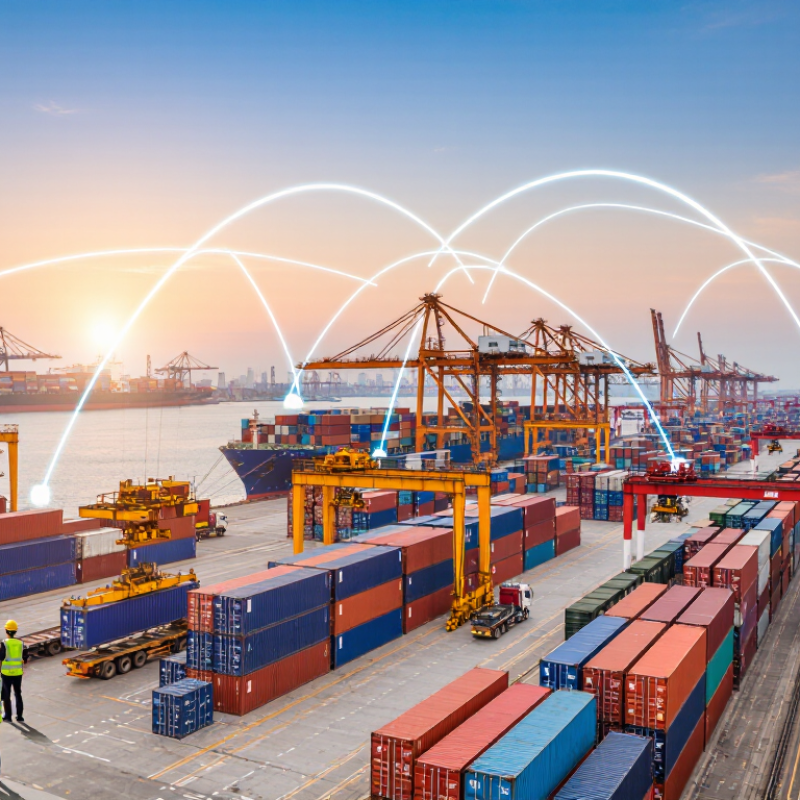
For buyers, the global logistics landscape is more than a freight-rate table. It is a chain of handoffs, schedules, documents, and decisions that can change between booking and delivery. A container may leave on time but wait several days at a transfer port. That delay can affect production plans, warehouse space, and promised delivery dates. Buyers should compare routes by total transit time and reliability, not distance alone.
Ask suppliers and logistics providers how they handle schedule changes, cargo tracking, and delivery exceptions. Request clear updates at key milestones, such as departure, transshipment, and customs release. The lowest quote may exclude storage, fuel adjustments, or final-mile charges, so check what the price covers. Plans still break. A backup route or modest time buffer can help, though both may raise costs. Buyers can also review order timing and shipment size together; a small, frequent shipment is not always more responsive when capacity is tight. Shared forecasts may improve planning, but estimates are still estimates. Track actual transit times and extra charges against the original plan, then use those findings when discussing the next order.
| Trend | Verified signal | What buyers can do | Reference |
|---|---|---|---|
| Route and capacity volatility | Disruptions around major maritime routes have led to vessel diversions and longer journeys, affecting transit times, capacity, and freight costs. | Compare alternative routes and ports, build realistic lead-time buffers, and review shipment plans frequently. | UNCTAD, Review of Maritime Transport 2024 |
| Supply-chain resilience planning | The concentration of shipping through strategic chokepoints can expose supply chains to disruptions when routes or access are constrained. | Map critical lanes and dependencies; assess backup ports, transport modes, and inventory options for essential goods. | UNCTAD, Review of Maritime Transport 2024 |
| Maritime carbon costs in the EU | The EU Emissions Trading System covers maritime transport in phases: 40% of covered 2024 emissions, 70% of 2025 emissions, and 100% of 2026 emissions are subject to allowance surrender. | Ask for transparent emissions-related surcharges and clarify how applicable carbon costs are calculated and allocated. | European Commission, EU ETS and maritime transport |
| Cleaner marine fuels and energy | FuelEU Maritime applies from 2025. For covered ships, it sets a 2% reduction in the greenhouse-gas intensity of onboard energy in 2025, compared with the 2020 reference level. | Include fuel and emissions information in carrier reviews, and check whether regulatory costs or fuel choices affect quoted services. | European Commission, FuelEU Maritime |
| More structured freight-emissions reporting | The GHG Protocol Scope 3 Standard identifies upstream and downstream transportation and distribution as relevant categories for value-chain emissions accounting. | Request consistent shipment-level activity data, calculation methods, and emissions boundaries so logistics emissions can be compared responsibly. | GHG Protocol, Scope 3 Calculation Guidance |
| Greater focus on tracking and performance data | The 2023 Logistics Performance Index assesses 139 economies across six areas, including customs, infrastructure, international shipments, logistics competence, tracking and tracing, and timeliness. | Set service-level measures for milestone visibility, on-time delivery, customs clearance, and exception notifications. | World Bank, Logistics Performance Index 2023 |
Note: Regulations and logistics conditions vary by route, shipment, and vessel eligibility. Buyers should confirm applicable requirements and charges for each service.
A nearby route may still wait days at a transfer port. Compare total transit time and reliability, not map distance.
Check whether it covers storage, fuel adjustments, and final-mile delivery. A low quote can leave costs hiding in the fine print.
Track departure, transshipment, and customs release. Ask for an update at each point, not just when the container leaves.
Keep a written backup route and allow a modest time buffer. Both may cost more. Plans still break.
No. A dashboard helps only when its information is current and someone responds to delays.
Base it on actual usage and replenishment history. Too much stock ties up cash; too little can stop production.
Not always. When capacity is tight, smaller shipments may still arrive late, so compare them with larger orders.
Record actual transit times and extra charges, then compare them with the original plan. Forecasts help, but they can miss sudden demand changes.
Global logistics is evolving as buyers face changing demand, tighter delivery expectations, shifting trade routes, and greater supply-chain uncertainty. Key developments include wider use of digital tools for shipment visibility and planning, increased automation, more flexible transport networks, and closer attention to sustainability and resilience. These changes are driven by technology, economic shifts, infrastructure constraints, and the need to respond quickly to disruptions. Asking “what are the latest trends in global logistics industry” helps buyers understand how these forces may affect lead times, costs, inventory, and supplier choices.
For buyers, logistics is no longer just a shipping concern; it is an important part of sourcing strategy. Comparing delivery options, building flexibility into schedules, improving communication with suppliers, and monitoring performance can support better decisions. Buyers can also reduce exposure to delays by considering alternative routes, maintaining appropriate inventory buffers, and using reliable data to anticipate bottlenecks. By staying informed and adapting procurement plans as conditions change, buyers can balance cost, speed, and dependability across the supply chain.

 AeroLoad Logistics