Improving delivery speed for international orders is crucial in today’s fast-paced e-commerce world. According to a report by JDA Software, 70% of consumers expect delivery within two days of placing an order. This has led businesses to seek effective strategies to enhance their logistics processes. Shifting consumer expectations place pressure on retailers. Meeting these demands can create a significant competitive edge.
Expert in international logistics, Dr. Sarah Johnson, emphasized the importance of this topic. She stated, "Streamlining supply chains is essential for businesses looking to improve delivery speed for international orders." Companies can implement various solutions, such as leveraging advanced shipping software and local distribution centers. However, many organizations still struggle with integrating these technologies, reflecting a gap in optimization knowledge.
Another aspect to consider is the varying regulations and customs procedures across countries. These rules can delay shipments, leaving businesses to rethink their strategies. Companies must be prepared for these complexities to enhance performance and customer satisfaction. Improving delivery speed for international orders is not just about speed; it’s about reliability and customer trust.
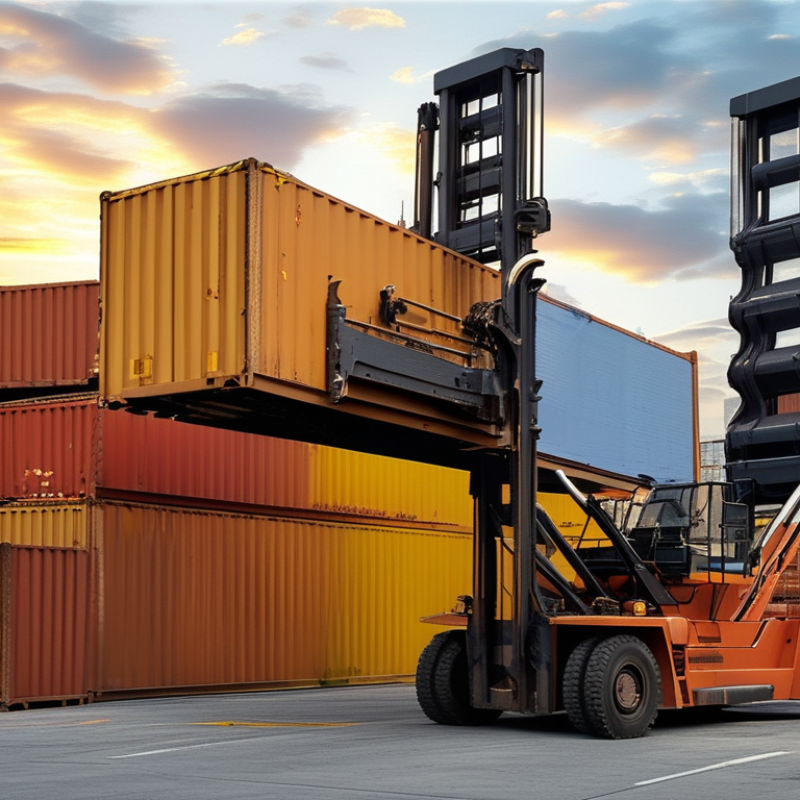
Delivery speed plays a crucial role in international orders. Customers today expect quick fulfillment, regardless of distance. A fast delivery enhances customer satisfaction and boosts repeat purchases. When products arrive promptly, it reflects positively on the seller’s reputation. However, achieving rapid delivery is often challenging due to various factors.
Understanding logistics is essential. Customs clearance, regional regulations, and shipping routes can complicate the process. A delay in one area can lead to longer wait times. Furthermore, the balance between cost and speed is crucial. Premium shipping can offer faster delivery but at a higher expense, which may not be feasible for all businesses.
Despite these challenges, there are ways to improve speed. Employing advanced tracking technologies can provide transparency throughout the shipping process. This approach helps manage customer expectations effectively. Companies should constantly assess their logistics strategies. Evaluating performance regularly can pinpoint areas for improvement. Overall, prioritizing delivery speed can lead to significant gains in customer loyalty and competitive advantage.
| Delivery Method | Average Delivery Time | Cost ($) | Tracking Availability | Customer Satisfaction Rating (out of 5) |
|---|---|---|---|---|
| Express Air Shipping | 3-5 days | 50 | Yes | 4.8 |
| Standard Air Shipping | 7-10 days | 30 | Yes | 4.5 |
| Sea Freight | 20-30 days | 10 | Limited | 3.5 |
| Courier Services | 1-3 days | 70 | Yes | 4.7 |
| Economy Shipping | 15-20 days | 20 | Yes | 4.0 |
: Customs clearance is a major challenge. Delays occur due to incomplete documentation or changing regulations.
Stay updated on regulations and ensure all documentation is complete. Ignoring these details can incur costs.
Different regions have unique practices and infrastructures. Choosing the right shipping partners is crucial.
Fluctuating rates complicate budgeting for shipments, making regular assessments of partners necessary.
Communication gaps lead to confusion about shipping times or costs. This often results in customer frustration.
Provide clear and detailed shipping information. This helps manage customer expectations effectively.
Use sturdy materials and protective wraps. This minimizes damage but may increase costs.
Accurate customs paperwork prevents delays. Even small mistakes can lead to significant issues.
Training staff leads to better packing and documentation processes. Regular reviews encourage quality culture.
No, challenges will always exist. Continuous reflection on practices is necessary for improvement.
In today's global market, understanding how to improve delivery speed for international orders is crucial for businesses striving to enhance customer satisfaction and competitive advantage. Delivery speed impacts customer experience and brand loyalty, making it essential to address various challenges inherent in international shipping processes.
To improve efficiency, companies can leverage technology for streamlined logistics management, which includes real-time tracking and data analytics. Collaborating with reliable shipping partners can further enhance delivery performance, ensuring timely and secure transportation of goods. Additionally, implementing best practices in packaging and documentation is vital to minimize delays and complications during customs clearance. By focusing on these strategies, businesses can effectively improve their delivery speed for international orders, leading to happier customers and increased sales.

 AeroLoad Logistics