Shipping oversized cargo internationally can be a complex task. It requires careful planning and understanding of logistics. Knowing how to ship oversized cargo internationally is essential for businesses and individuals alike.
Many factors come into play. These include regulations, shipping methods, and suitable logistics partners. Each country has specific rules regarding oversized cargo. Failing to comply can lead to delays and increased costs. Researching these regulations beforehand can save time and money.
Moreover, choosing the right shipping method is crucial. Options vary from air freight to sea freight. Each has its pros and cons based on size and urgency. Many might overlook the importance of packaging. Proper packaging ensures protection during transit. Even small oversights can result in significant losses. Engaging with a reputable logistics provider is a wise decision. Their expertise reflects on your transport's efficiency.
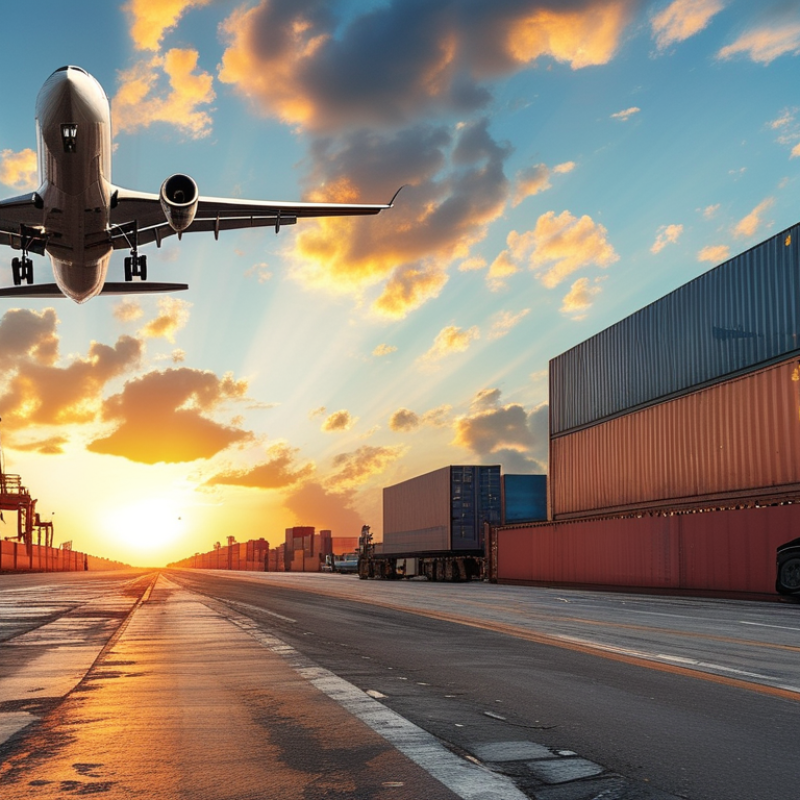
Shipping oversized cargo internationally presents unique challenges. Understanding what constitutes oversized cargo is crucial. Typically, it includes anything that exceeds standard dimensions or weight limits. This can encompass large machinery, construction equipment, or even custom sculptures. Such items often require special handling and containment during transit.
The logistics involved can get complex. Depending on the destination, there might be specific regulations to follow. Transport routes also vary significantly. Some may require special permits or specific shipping methods. Additionally, finding a transporter that specializes in oversized loads is essential. This expertise helps in navigating customs and ensuring compliance with local laws. Oversized cargo often incurs higher costs and longer transit times. These are factors that should always be considered when planning.
There are plenty of pitfalls too. Incorrectly measured dimensions can lead to costly delays. Miscommunication with shipping agents can result in unexpected fees. Sometimes, you may overlook the need for special equipment during loading and unloading. Being aware of these oversights is key. Effective planning and attention to detail can make a world of difference.
When it comes to shipping oversized cargo internationally, choosing the right method is critical. Several factors impact this decision, including dimensions, weight, and destination. Air freight is fast but can be significantly more expensive. On the other hand, sea freight offers cost efficiency, especially for large shipments. However, it requires more time and careful planning regarding port logistics.
Using specialized carriers is often necessary for oversized items. They have the expertise and equipment to handle unique dimensions and weights. Road transport can be an option for landlocked destinations. Yet, it can introduce its own challenges. Permits and escorts may be needed for larger loads. This adds complexity to the planning process and can delay shipment times.
It's vital to research and assess each shipping method carefully. Not all carriers are equal in their capabilities for oversized cargo. Sometimes you may encounter limitations with certain shipping lines or routes. Testing different approaches can yield valuable insights. The goal should be to find a reliable method that balances cost, speed, and safety for your oversize shipment.
| Tip Number | Tip Description | Considerations |
|---|---|---|
| 1 | Select the Appropriate Shipping Method | Evaluate air, sea, or road options based on urgency and budget. |
| 2 | Understand Dimension and Weight Limits | Know the restrictions imposed by carriers and ports. |
| 3 | Properly Package Your Cargo | Use appropriate materials to protect during transit. |
| 4 | Insure Your Shipment | Obtain full coverage to mitigate risk of loss and damage. |
| 5 | Be Aware of Customs Regulations | Ensure compliance with both export and import laws. |
| 6 | Communicate with Your Carrier | Keep in touch about shipping schedules and any issues. |
| 7 | Choose a Reliable Freight Forwarder | Select an experienced partner for international shipping. |
| 8 | Plan for Delays | Allow extra time in case of unforeseen circumstances. |
| 9 | Label All Cargo Correctly | Include handling instructions and destination information. |
| 10 | Review Your Shipping Documentation | Ensure all paperwork is complete and accurate before shipping. |
When shipping oversized cargo internationally, proper documentation is essential. Missing or incorrect paperwork can lead to delays and extra costs. Common documents include the bill of lading, commercial invoice, and packing list. Each document serves a specific purpose and must be accurate. A bill of lading acts as a contract between the shipper and carrier. The commercial invoice details the value and description of the goods. The packing list outlines what items are included in the shipment.
It’s crucial to research import/export regulations in the destination country. Some countries may require additional documents, like certificates of origin or import licenses. Failing to secure these can halt your shipment at customs. Discussing your shipment with a logistics expert can help. They can provide insights on required documentation based on the cargo type.
One often overlooked aspect is the weight and dimensions of the shipment. If incorrectly stated, this might lead to issues at customs. Moreover, maintaining copies of all documentation is wise. This ensures you can resolve any disputes that arise. Accurate and thorough documentation is non-negotiable for a smooth shipping process. The stakes are high, and mistakes can be costly.
Shipping oversized cargo internationally presents unique challenges, especially in terms of packaging and handling. Proper packaging is crucial to prevent damage during transit. According to the International Cargo Handling Association, over 30% of damage claims arise due to inadequate packaging. This emphasizes the need for robust materials. Using high-quality pallets and multiple layers of protection can mitigate risks.
Proper handling is equally important. Ensure that the cargo is marked clearly, indicating its oversized dimensions. This helps handlers prepare for loading and unloading correctly. Statistics show that 20% of logistics delays stem from miscommunication regarding cargo size and weight. Training personnel on the specific handling requirements of oversized items can help avoid accidents and streamline the process.
Consider using specialized equipment like cranes or forklifts designed for heavy and oversized loads. Following the guidelines provided by the International Association of Freight Forwarders can bolster safety and efficiency. However, not all carriers offer the same level of expertise in oversized cargo. Partnering with professionals who have documented experience in handling such shipments is key.
Shipping oversized cargo internationally can be a daunting task, especially when it comes to budgeting. Understanding the various cost factors involved is crucial for a successful shipment. Freight charges often depend on the size and weight of the cargo. For oversized items, these costs can increase significantly. It’s essential to obtain quotes from multiple freight forwarders to compare prices. Some might offer better rates for specific routes or modes of transport.
Another important aspect to consider is additional fees. Customs duties, handling charges, and loading fees can add to the overall expense. Each country has its own regulations, leading to unexpected costs. Planning for these extras can be tricky. For instance, special permits may be needed, which could incur more expenses and time delays. Budgeting requires a close examination of all possible scenarios.
Many shippers overlook insurance. While it may seem like an added cost, securing insurance for oversized cargo is vital. It protects against damage that can occur during transit. Ensuring that you have coverage can ultimately save money in the event of mishaps. Reflecting on these complexities is important. Shipping oversized cargo is not just about the initial price; it’s about the total cost of ownership and risk management throughout the journey.
: Dimensions, weight, destination, and cost efficiency are key factors influencing the shipping method.
Air freight is fast but can be significantly more expensive than other methods.
Road transport may require permits and escorts, which add complexity and can delay shipments.
Missing or incorrect paperwork can cause delays and incur additional costs during the shipping process.
Essential documents include the bill of lading, commercial invoice, and packing list for accurate shipment.
Inadequate packaging can lead to damage during transit, accounting for over 30% of damage claims.
Clear markings help handlers prepare properly, reducing miscommunication and potential delays by 20%.
Logistics experts provide valuable insights about required documentation and regulations based on cargo type.
Specialized equipment can improve safety and streamline handling processes for heavy and oversized loads.
Experienced carriers are better equipped to handle the unique challenges of oversized cargo effectively.
Shipping oversized cargo internationally presents unique challenges that require careful planning and execution. To effectively navigate these challenges, it's crucial to first understand the specific characteristics of oversized cargo, which often poses logistical hurdles during transport. Selecting the right shipping method—whether by air, sea, or land—is essential for ensuring timely and safe delivery. Additionally, comprehensive documentation is required to facilitate customs clearance and compliance with international regulations.
Proper packaging and handling are paramount to prevent damage during transit, while considering cost implications can help in budgeting for the shipment. Ultimately, knowing how to ship oversized cargo internationally involves a combination of strategic planning, attention to detail, and adherence to the necessary guidelines to ensure smooth transportation and delivery.

AeroLoad Logistics