5 Essential Tips for Customs Clearance in Global Shipments?

Time:2026-05-09 Author:Oliver
0%

Customs clearance is a critical step in global shipping, and understanding how it works is vital. Many businesses overlook this process, leading to delays and additional costs. Effective customs clearance ensures that goods move smoothly across borders. The journey of a product doesn't end at the port; it requires compliance with various regulations.

How does customs clearance work for global shipments? It involves submitting documentation, paying duties, and meeting specific regulations. Each country has unique requirements, which can complicate the process. Businesses must stay informed about these changing regulations. Missing or incorrect documentation can lead to shipment holds. It’s vital to have reliable customs brokers who understand the nuances.

Planning for customs clearance can save time and money. Utilize technology for tracking shipments and managing paperwork. Engaging with experienced partners can minimize risks. Even minor mistakes can have significant consequences in international shipping. Embrace learning from past experiences to improve future shipments. Familiarity with customs processes will enhance your shipping strategy effectively.
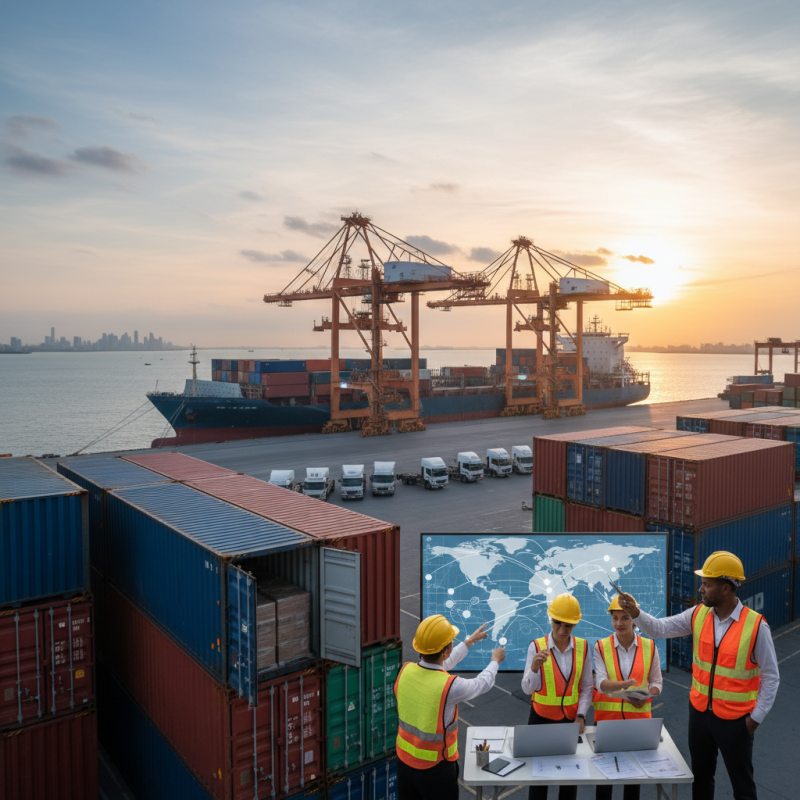
5 Essential Tips for Customs Clearance in Global Shipments?

Understanding Customs Regulations for Global Shipments

Understanding customs regulations is crucial for successful global shipments. Customs laws vary widely by country. Each nation has specific rules regarding product classifications, tariffs, and import restrictions. Navigating these regulations can be challenging, especially for businesses new to international trade. Misunderstanding a country's customs requirements can lead to delays and increased costs.

One common issue arises from incorrect documentation. Missing or incomplete paperwork can slow down the clearance process. Ensure that all necessary documents, such as invoices and certificates of origin, are correctly filled out. Each detail matters. Even minor errors can result in fines or confiscation.

In addition, staying informed about changes in trade agreements is essential. These agreements can alter tariff rates or introduce new requirements. Regularly checking for updates ensures that your shipments comply with current laws. Many businesses overlook this aspect. This oversight can be costly and time-consuming. Taking the time to understand customs regulations is a step towards smoother shipping experiences.

Preparing Required Documentation for Customs Clearance

Customs clearance can be a challenging process in global shipments. One key aspect is preparing the required documentation. Accurate paperwork is crucial for smooth customs processing. Missing or incorrect documents can lead to delays or fines.

One essential document is the commercial invoice. This must detail the transaction, including item descriptions, values, and quantities. It serves as proof of the sale between parties. Another important document is the packing list. This outlines the contents of each package in the shipment. Accurate packing lists help customs officials assess the shipment's contents efficiently.

Certificate of origin is also critical. It provides information about where the goods were manufactured. Some countries have trade agreements, affecting tariffs and duties. Understanding these nuances is vital. Sometimes, exporters overlook additional permits or licenses. Missing these can halt the shipment. Always double-check requirements before shipping. This attention to detail can save significant time and costs.

Best Practices for Valuing Goods for Duty Assessment

When it comes to customs clearance in global shipments, accurately valuing goods for duty assessment is crucial. The value of goods will determine the duties and taxes you'll pay. Misvaluing can lead to delays and additional costs. Use factual market prices to determine the value, avoiding estimations. Keep documentation ready, as customs will demand proof.

The first tip is to ensure all invoices are precise. A well-documented invoice reflects the actual sale value. Provide itemized lists. This clarity helps in quick assessments by customs officials. Lack of detail often leads to questions and potential holds on shipments.

Another important tip is to understand the incoterms. They define the responsibilities of buyers and sellers. Misunderstanding these terms can lead to incorrect duty calculations. It’s essential to review them carefully. Finally, always consult with experts when in doubt. Customs regulations can vary immensely. Expert insights can save you from costly mistakes.

Navigating Tariffs and Taxes in International Shipping

Navigating tariffs and taxes in international shipping can be a daunting task. Understanding the varying rates imposed by different countries is crucial to avoid unexpected fees. Each nation has its own set of regulations and classifications for goods. Researching these is essential for accurate cost estimations. Ensure that all paperwork is meticulously completed. Missing information can lead to delays or additional charges.

Consider using a customs broker. This professional can provide expertise that simplifies the clearance process. However, not every broker is the same. Verify their credentials and experience in your specific shipment type. Communication is key. Keeping an open line to the broker can help you understand any changes in tariffs or additional taxes. Be prepared for customs inspections as well. Not all shipments pass through smoothly, and having proper documentation can expedite the process.

Lastly, it’s vital to stay informed. Tax regulations can shift unexpectedly, impacting your shipping budget. Engage with industry resources to keep up with these changes. While you can plan extensively, some aspects remain out of your control. Reflecting on past shipments can reveal areas for improvement. Embrace the process, as each shipment offers a learning opportunity.

Leveraging Technology to Streamline Customs Processes

In today's global trade landscape, technology plays a crucial role in customs clearance processes. Automation tools can significantly reduce paperwork and processing times. Businesses can utilize software to pre-fill customs declarations, minimizing human error. This streamlining benefits the supply chain, ensuring faster deliveries.

Real-time tracking systems enhance transparency in shipments. They allow companies to monitor the status of their goods while in transit. Alerts can notify stakeholders of potential delays, providing an opportunity to respond promptly. However, some logistics companies still rely on outdated systems. This inconsistency can lead to unexpected challenges during clearance.

Integrating data analytics into customs operations offers valuable insights. By analyzing patterns, businesses can better predict and mitigate risks. There are, however, obstacles to full implementation. Not every company has the skills or resources to adopt new technologies effectively. This gap can hinder their ability to compete in a fast-paced market.

Customs Clearance Efficiency in Global Shipments

FAQS

: Why are customs regulations important for global shipments?

: Customs regulations help prevent delays and extra costs. Each country has unique rules.

What can happen if documentation is incorrect?

Incorrect documentation can cause slow clearance or fines. Minor errors can have serious consequences.

What is a commercial invoice?

A commercial invoice details the transaction, including item descriptions and values. It's proof of sale.

How does a packing list assist in customs clearance?

A packing list outlines each package's contents. It helps customs officials assess shipments efficiently.

What is the role of a certificate of origin?

A certificate of origin indicates where goods were manufactured. It can affect tariffs and duties.

Why should I stay updated on trade agreements?

Trade agreements can change tariff rates and requirements. Regular updates ensure compliance with laws.

What happens if I miss additional permits?

Missing permits can halt your shipment completely. Always verify requirements before shipping.

Can small errors in paperwork have serious results?

Yes, minor mistakes can lead to fines or confiscation. Detail is crucial in customs documentation.

How can I improve my customs clearance process?

Double-check all documents and stay informed about regulations. It saves time and reduces costs.

Is preparing documentation for customs easy?

No, it can be challenging. Attention to detail is necessary to avoid complications and delays.

Conclusion

Customs clearance is a critical step in international shipping that ensures goods can enter or exit a country legally. Understanding customs regulations for global shipments is fundamental, as it aids in compliance and reduces the risk of delays. Preparing the required documentation, such as invoices and import permits, is essential for efficient processing. Additionally, accurately valuing goods for duty assessments and navigating applicable tariffs and taxes can significantly impact the total cost of shipping.

To streamline the customs clearance process, leveraging technology is increasingly important. This includes using software and tools that automate documentation and provide real-time updates, making the process smoother. Ultimately, knowing how does customs clearance work for global shipments will empower businesses to mitigate challenges, minimize costs, and enhance overall efficiency in their supply chains.

Oliver

Oliver

Oliver is a seasoned marketing professional with a wealth of expertise in driving brand awareness and engagement. With a deep understanding of our company's product offerings, he consistently delivers high-quality content that enriches our professional blog. His insights not only shed light on......