In the competitive landscape of e-commerce, logistics plays a critical role. David Anderson, a renowned logistics strategist, states, “Efficient logistics can be your strongest competitive advantage.” For many businesses, understanding how to manage logistics for e commerce business is essential. It directly affects customer satisfaction and operational efficiency.
Successful logistics management is more than just shipping products. It involves careful planning, coordination, and technology. Many businesses struggle with inventory control and timely deliveries. Such challenges can lead to customer frustration and loss of sales. A survey found that 30% of customers abandon their carts due to shipping issues. This highlights the need for robust logistics strategies.
Implementing the right logistics solutions is vital. Companies often overlook the importance of selecting the right partners and technology. These choices can make or break an e-commerce operation. Reflection on past failures can provide valuable lessons. Each misstep in logistics can lead to insights that strengthen future strategies. Understanding how to manage logistics for e commerce business is not just beneficial—it’s essential for long-term success.
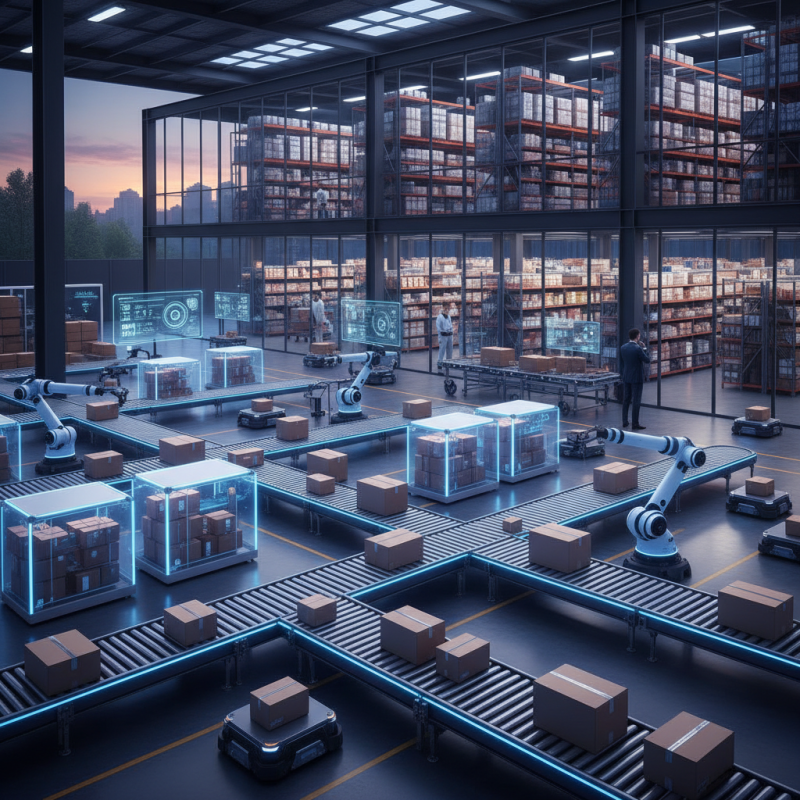
Logistics plays a crucial role in the success of e-commerce businesses. Effective logistics management can enhance customer satisfaction and drive sales. Efficient order fulfillment, inventory management, and shipping processes are key components. A streamlined logistics operation minimizes delays and reduces costs, allowing businesses to remain competitive.
Understanding logistics means recognizing its impact on customer experience. Fast shipping options and accurate order tracking are increasingly important for consumers. When logistics fail, it reflects poorly on the brand. Delays or lost packages can frustrate customers, leading to negative reviews. Businesses must invest in reliable partnerships and technology to avoid these pitfalls.
However, logistics is not without challenges. Fluctuating shipping costs can strain budgets. Seasonality can lead to excess inventory or stockouts. Businesses need to constantly reassess their logistics strategies to navigate these issues. Flexibility and adaptability are essential in this ever-changing landscape. Embracing technology can help, but it is not always a perfect solution. Regularly evaluating logistics processes is vital for growth.
| Logistics Component | Description | Importance in E-Commerce | Common Challenges |
|---|---|---|---|
| Inventory Management | Tracking inventory levels, orders, sales, and deliveries. | Ensures product availability, minimizes costs, and enhances customer satisfaction. | Overstocking, stockouts, and inaccurate inventory data. |
| Order Fulfillment | The complete process of receiving, processing, and delivering orders to customers. | Directly affects delivery times and customer satisfaction. | Delays, errors in order processing, and logistics disruptions. |
| Shipping and Transportation | Activities related to the movement of goods from the seller to the customer. | Crucial for timely delivery and overall customer experience. | High shipping costs, managing carriers, and shipping delays. |
| Returns Management | Handling returned products and processing refunds or exchanges. | Impacts customer loyalty and encourages repeat business. | Complex processes and potential financial losses. |
| Technology Integration | Incorporating software solutions for logistics management. | Enhances efficiency, accuracy, and adaptability. | Integration challenges and high upfront costs. |
: A reliable logistics partner can streamline operations and enhance customer satisfaction.
Consider their experience, technology integration capabilities, and pricing models.
Technology can reduce costs and optimize routes, improving efficiency in logistics.
Common KPIs include order accuracy, delivery time, and return rates.
Conduct post-delivery surveys; simple questions can provide valuable insights.
Yes, small trials can help identify potential issues before a long-term commitment.
Budget constraints and a lack of expertise can hinder technology adoption.
Regular reviews are essential to adapt to any service level changes.
Cloud technology enables efficient shipment monitoring and data analysis.
AI can predict demand fluctuations, aiding better inventory planning.
Effectively managing logistics for your e-commerce business is crucial for achieving success in the competitive online marketplace. Understanding the role of logistics involves recognizing its impact on customer satisfaction and operational efficiency. Key components of an effective logistics strategy include inventory management, warehousing, and order fulfillment, which must be well-coordinated to meet customer demands promptly.
Selecting the right logistics partners and utilizing technology can optimize operations, enhancing efficiency and reducing costs. Moreover, continuously measuring and analyzing logistics performance allows businesses to identify areas for improvement, ensuring that logistics strategies evolve to meet changing market conditions. By focusing on these elements, e-commerce businesses can learn how to manage logistics for a successful operational framework, ultimately leading to greater customer loyalty and business growth.

 AeroLoad Logistics