Understanding shipping times from China to Europe is crucial for businesses and individuals alike. When you ask, "how long does shipping from China to Europe take," the answer can vary based on multiple factors. From the chosen shipping method to the destination city, numerous elements play a role in determining delivery times.
Sea freight is typically slower but cost-effective. It can take anywhere from 20 to 40 days, depending on port congestion and distance. Air freight, on the other hand, is much quicker, often delivering within 5 to 10 days. However, it comes at a higher price.
Realizing the intricacies of these shipping methods is essential. Sometimes, unexpected delays occur due to customs or adverse weather. This unpredictability can lead to frustration. Knowing the average timeframes helps set realistic expectations. Whether you are a small business or an individual ordering online, understanding these timelines can greatly affect your planning and fulfillment.
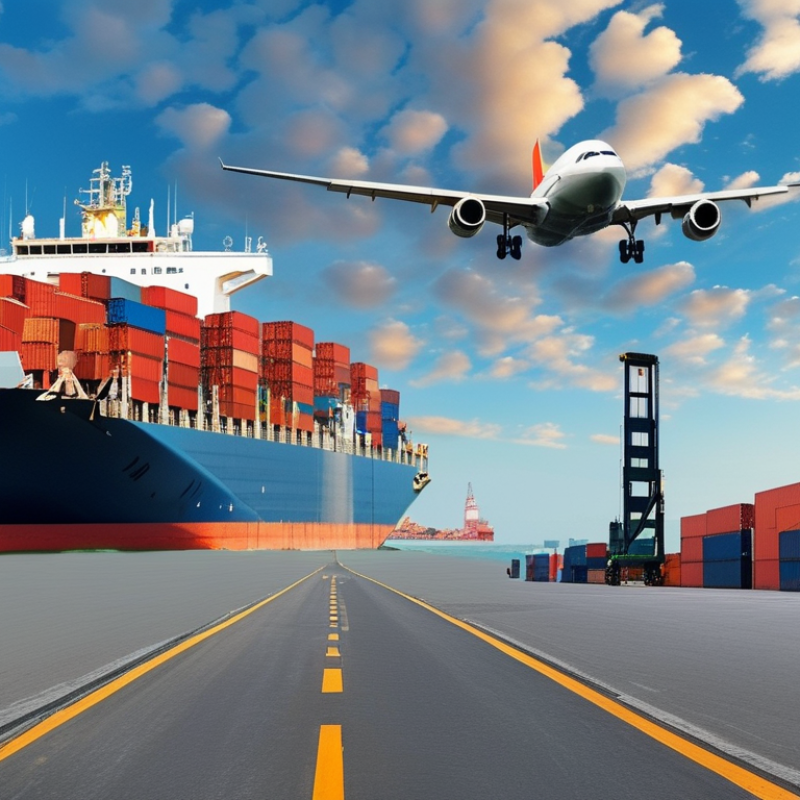
Overview of China to Europe Shipping Methods and Options
Shipping goods from China to Europe involves multiple methods, each with distinct timelines and characteristics.
Air freight is the fastest option, boasting delivery times of 3 to 7 days. According to industry reports, about 30% of shippers prefer air freight for its efficiency. However, costs can be significantly higher compared to ocean freight, which is typically slower.
Ocean shipping remains the most economical choice. Transit times for ocean freight can range from 20 to 45 days, depending on the specifics of the route. For instance, shipping from Shanghai to Hamburg can take around 30 days. Interestingly, reports show that 60% of businesses opt for sea freight to balance cost and delivery time. Despite this, unpredictable factors like port congestion can lead to delays, sometimes stretching delivery times beyond expectations.
Rail transport is an emerging alternative, offering a balance between speed and cost. The transit period ranges between 10 to 15 days. Recent data indicates that rail cargo is gaining popularity due to its reliability. However, challenges such as limited routes can hinder broader adoption. Each shipping method carries trade-offs. Understanding these options helps businesses make informed decisions based on their needs.
Factors Influencing Shipping Times from China to Europe
Shipping times from China to Europe can vary widely. Understanding the factors influencing these times is essential for businesses and logistics planners. Key elements include shipping method, customs procedures, and seasonal demand.
Shipping methods play a significant role. Sea freight is commonly used for cost efficiency. However, it can take several weeks. Air freight, while faster, may increase costs dramatically. According to industry reports, sea freight takes about 30 to 40 days. Meanwhile, air freight can reduce shipping time to just 3 to 7 days.
Customs procedures also impact delivery speed. Delays can occur due to paperwork, inspections, and regulations. The complexity of the goods being shipped often adds to the time required. Seasonal demand peaks can lead to further delays. Data shows that shipments during holiday seasons may take 15% longer. This highlights the need for precise planning in logistics.
Comparison of Shipping Times for Different Modes of Transport
Shipping goods from China to Europe involves various transport methods. Each mode has unique characteristics that influence delivery times. Generally, air freight is the fastest option. It can take between three to seven days. This rapid service is ideal for urgent shipments. However, the cost is significantly higher compared to other methods.
On the other hand, sea freight is the most economical choice. It usually takes around 25 to 50 days to reach Europe. The journey length can vary due to port congestion, weather conditions, and loading schedules. Rail transport is another viable option, taking approximately 15 to 20 days. This mode combines speed and cost-effectiveness but may face delays at border crossings.
Choosing the right transport method depends on several factors. The urgency of delivery, budget constraints, and type of goods all play a role. When planning logistics, it is essential to consider these variables. Understanding the nuances of each transport option can lead to better decisions and enhanced efficiency in shipping operations.
Estimated Shipping Times for Major Cities in Europe
When shipping from China to Europe, timelines can vary significantly. Major cities like London, Paris, and Berlin each have unique shipping patterns. On average, cargo shipped by sea takes about 25 to 40 days. Air freight, while faster, often requires careful planning and can take 3 to 10 days. For example, a shipment to London might arrive in 25 days by sea, but only in 5 days via air.
Several industry reports highlight the variability in shipping times. For instance, the Journal of Shipping Logistics indicates that delays at ports can add 2 to 7 days on average. Factors like seasonal demand and customs clearance also play a role. Shipments to Southern European cities, such as Rome or Madrid, often face longer wait times due to lower shipping traffic.
Despite advancements in logistics, unexpected challenges remain. Not every shipment moves smoothly. Occasional disruptions, such as port congestion, can occur. Effective planning can mitigate these risks. However, businesses must remain adaptable in their shipping strategies, as conditions are subject to change.
China Top 10 Shipping Times to Europe
The chart below shows the estimated shipping times from China to major cities in Europe. The shipping times are represented in days, highlighting the efficiency of shipping routes.
Tips for Optimizing Your Shipping Experience from China to Europe
Shipping from China to Europe involves several factors that affect delivery times. Depending on the shipping method, transit times can vary significantly. For example, sea freight can take 25 to 40 days, while air freight typically ranges from 5 to 15 days. A recent report by the International Maritime Organization notes that shipping times can be influenced by port congestion, weather conditions, and customs clearance.
To optimize your shipping experience, important steps can be taken. Ensuring proper documentation can prevent delays. According to the World Bank's Logistics Performance Index, countries with clear customs processes have faster delivery times. It is advisable to choose reliable freight forwarders who understand both Chinese and European logistics landscapes. Their expertise can help navigate the complexities of international shipping.
Moreover, consolidating shipments can lead to cost savings and a more efficient process. However, waiting for more items to send might create delays. Balancing the need for speed against cost is crucial. Monitoring shipping routes and keeping an eye on industry trends can greatly improve your shipping efficiency. Awareness of these factors can help in making informed decisions that enhance the overall shipping experience.
FAQS
: Air freight is the fastest option, taking 3 to 7 days for delivery.
Sea freight usually takes about 25 to 50 days to reach Europe, depending on various factors.
Factors include port congestion, weather conditions, and customs clearance, which can cause delays.
Rail transport takes approximately 15 to 20 days, balancing speed and cost-effectiveness.
Consider delivery urgency, budget, and the type of goods being shipped.
Proper documentation and choosing reliable freight forwarders can help prevent unnecessary delays.
These shipments often face longer wait times due to lower shipping traffic and additional delays.
Seasonal demand can lead to variability in delivery times, affecting overall logistics planning.
Balancing cost against speed is crucial; waiting for more items may lead to delays.
Monitoring trends can lead to more informed decisions and improved shipping efficiency.
Conclusion
When considering the logistics of international trade, a common question arises: how long does shipping from China to Europe take? This article provides an overview of various shipping methods and options available for transporting goods from China to major cities in Europe. It discusses key factors that influence shipping times, such as distance, transport mode, and customs procedures.
Furthermore, the article compares shipping times across different modes of transport, including air freight, sea freight, and rail. For those seeking specific timelines, estimated shipping durations for various European cities are presented, offering a clearer picture of expectations. Additionally, practical tips for optimizing the shipping experience are shared, ensuring that businesses can effectively navigate the complexities of international shipping and minimize delays.

 AeroLoad Logistics