When customers ask, “what is the fastest shipping option from china,” they usually expect one clear answer. In practice, speed depends on the destination, package size, pickup location, and customs processing. Express courier services usually lead for small, urgent shipments. Major carriers can collect a parcel in Shenzhen or Guangzhou and deliver it within several business days. However, a fast flight does not guarantee fast delivery.
This guide explains seven practical ways to reduce transit time without ignoring reliability. It examines express shipping, air freight, courier cut-off times, warehouse preparation, accurate paperwork, and shipment tracking. A package waiting overnight for a missing commercial invoice is not truly moving fast. Neither is a parcel delayed because its address contains an unclear apartment number. Small details matter.
The most suitable option may change from one shipment to another. A lightweight sample and a pallet of machinery should not follow the same plan. Experienced logistics teams compare quoted transit time, handling steps, destination service, and total cost. They also confirm the carrier’s current schedule before booking. These details can change during holidays or severe weather.
There is no perfect shortcut.
One point deserves honest reflection: “fastest” and “best” are not always identical. A premium courier may arrive sooner, but an economy air service could offer better value for repeat orders. Even careful planning can miss an unexpected customs review. Use official tracking, keep shipment records, and ask the carrier for written delivery estimates. With realistic expectations, you can choose a faster China shipping method while protecting product quality and customer trust.
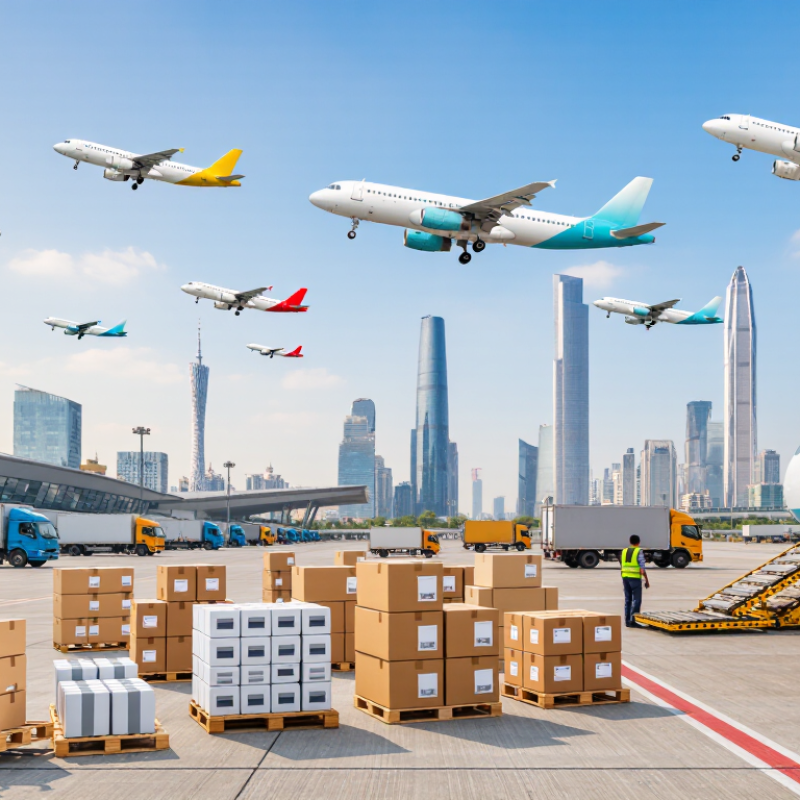
The fastest shipping option from China is usually air express, but speed depends on more than the transport mode. Shipment weight, dimensions, origin city, destination, customs readiness, and collection cut-off times all matter. A small parcel leaving Shenzhen may arrive faster than a larger parcel leaving an inland warehouse. Route availability matters too.
The World Bank’s 2023 Logistics Performance Index surveyed 4,090 trade professionals across 139 economies. It evaluates customs, infrastructure, international shipments, logistics competence, tracking, and timeliness. These factors directly shape delivery speed. A carrier can fly quickly, yet customs paperwork can add several days. Accurate invoices, product descriptions, and consignee details reduce avoidable delays. Small errors matter.
Air freight is faster than sea freight, while rail may balance speed and cost on some China-Europe routes. UNCTAD’s Review of Maritime Transport 2023 states that ships carry over 80% of global merchandise trade by volume, but ocean transport remains slower and more schedule-sensitive. I have seen urgent shipments miss their planned departure because cargo arrived after the warehouse cut-off. That detail is easy to overlook. Peak seasons, weather, security screening, cargo capacity, and local delivery distance also influence the final arrival date. A published transit time is only an estimate, not a promise.
| Tip | Shipping Option | Typical Transit Time | Best Use Case | Main Speed Factors | Practical Recommendation |
|---|---|---|---|---|---|
| 1 | International Express Courier | About 3–7 business days | Small parcels, samples, urgent documents, and time-sensitive orders | Pickup scheduling, customs clearance, destination address, weekends, and shipment volume | Usually the fastest door-to-door choice for shipments with a manageable weight and size. |
| 2 | Air Freight | About 5–10 business days | Commercial cargo, pallets, and shipments that are too large for parcel services | Airport handling, consolidation, minimum chargeable weight, customs, and inland delivery | Compare total door-to-door time, not only flight time, because handling can add several days. |
| 3 | Priority Air Mail | About 7–15 business days | Lightweight, non-urgent parcels where cost matters more than maximum speed | Postal processing, destination-country sorting, local delivery capacity, and customs inspection | Choose a tracked priority service and allow extra time during holidays or peak shopping periods. |
| 4 | Rail Freight | About 15–25 days on eligible routes | Medium-sized cargo traveling between China and connected regions | Rail schedules, border procedures, transshipment, route availability, and final-mile transport | Use rail when it offers a practical balance between air-freight speed and ocean-freight cost. |
| 5 | Sea Freight — Full Container Load | About 20–45 days port-to-port | Large, heavy, or non-urgent shipments that fill most of a container | Vessel schedules, port congestion, weather, customs, container availability, and inland transport | Select a scheduled sailing with reliable port connections and include all pre- and post-port time. |
| 6 | Sea Freight — Less than Container Load | About 25–50 days port-to-port | Smaller commercial shipments that do not fill a container | Warehouse consolidation, deconsolidation, sailing frequency, port handling, and customs | Avoid LCL for urgent cargo because extra warehouse handling can make it slower than expected. |
| 7 | Time-Critical Air Charter or Dedicated Air Service | Potentially 1–3 days after cargo readiness | Emergency replenishment, production stoppages, medical supplies, or exceptional deadlines | Aircraft availability, export controls, cargo acceptance, documentation, airport access, and customs priority | Reserve this high-cost option for genuine emergencies and confirm the complete route before booking. |
Air express suits small, urgent parcels with simple paperwork. Air freight may fit larger cartons. Size changes the answer.
Ask for the complete door-to-door timeline. Include pickup, export clearance, customs, handling, and final delivery. Flight time alone can mislead.
Missing a cutoff may delay departure until the next morning. A parcel packed at 6 p.m. could lose one full day. Small timing matters.
Compare the full delivered cost, not only the transport rate. Check handling, duties, inspections, customs, and local delivery fees. Cheap can become expensive.
Carriers may charge for carton size instead of actual weight. A light, oversized box can cost surprisingly more. Measure every side carefully.
Prepare an accurate commercial invoice, packing list, product description, and declared value. Missing details may hold the shipment for days. Errors happen.
Detailed tracking shows whether a parcel is moving or waiting. It can reveal delays at a warehouse or customs facility. Basic updates may not be enough.
They may offer better value for larger, non-urgent shipments. They are usually slower than air services. Leave extra time for congestion and schedules.
Ask about alternative departures before payment. Weather, holidays, document errors, and airport congestion can disrupt plans. Perfect timing is rare.
Do not judge a service by its advertised flight time alone. A cheaper option with limited departures may arrive several days late. I would add a practical buffer.
Choosing the right delivery method begins with understanding what determines speed, including shipment size, destination, urgency, customs requirements, and the type of goods being transported. For many time-sensitive shipments, express delivery may provide the quickest door-to-door service, while air freight can be a better choice for larger or heavier cargo. Other methods may reduce costs but usually require longer transit times. Comparing estimated transit time, handling procedures, tracking, and service reliability can help identify what is the fastest shipping option from China for a specific shipment.
Seven practical tips can improve delivery speed: confirm schedules, select a suitable service level, prepare accurate documentation, use protective yet efficient packaging, verify customs requirements, communicate clearly with the carrier, and allow time for unexpected delays. Fast shipping should not be judged by speed alone. Import duties, clearance efficiency, total cost, cargo safety, and delivery reliability must also be considered. A balanced decision helps businesses receive goods quickly while avoiding preventable delays and unnecessary expenses.

 AeroLoad Logistics